
 Wishlist
Start with the goal: a simple, sustainable daily habit
Small dog dental care succeeds when you create a short daily routine that your dog tolerates and you can keep up. The target: slow or prevent plaque build-up, keep gums healthy, and reduce bad breath with 1–3 minutes of attention per day plus periodic vet checks.
What to watch for before you begin
Small dogs often show dental disease earlier because their mouths are crowded. Check for these early signs: persistent bad breath, yellowish-brown tartar near the gumline, red or swollen gums, puckered lips, broken or loose teeth, reluctance to chew, or drooling. If you see swelling, repeated bleeding, or your dog is in pain, schedule a vet visit before starting home care.
How to introduce brushing so your small dog accepts it
Brushing is the most reliable way to remove plaque. Build acceptance gradually over a week or two.
- Day 1–3: Let your dog taste a pea-sized amount of enzymatic dog toothpaste from your finger. Use only toothpaste formulated for dogs; human toothpaste can harm them.
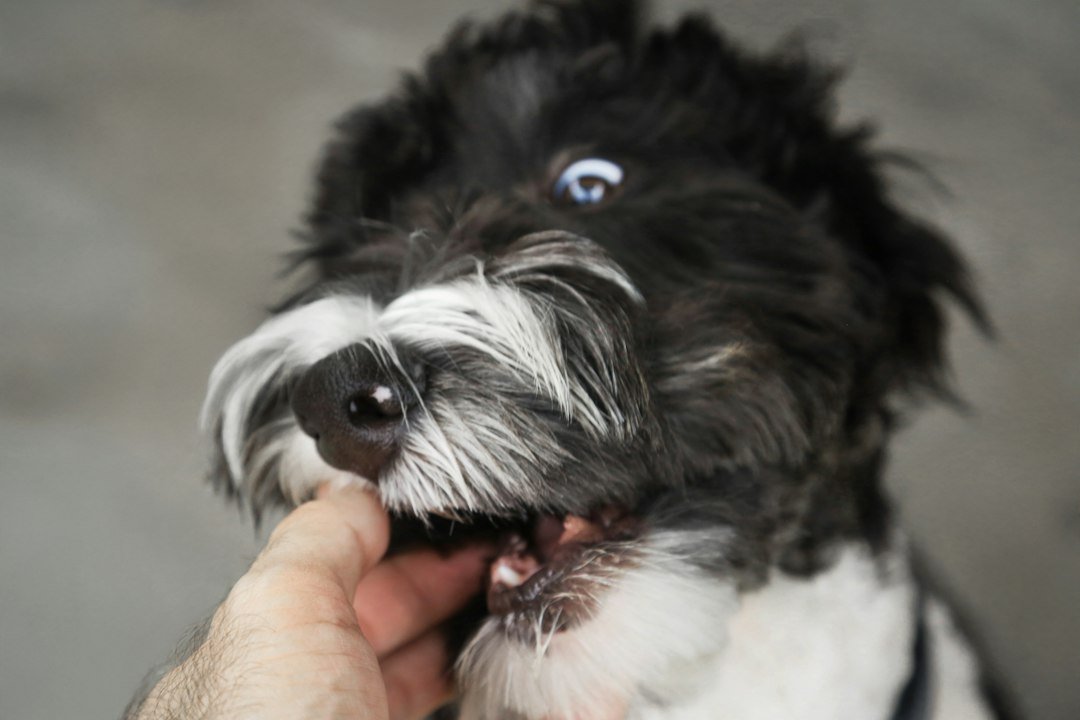
- Day 4–6: With your dog calm, rub the toothpaste on the outside surfaces of the teeth with your finger or a soft finger brush for 10–20 seconds per side.
- Day 7+: Switch to a small-headed dog toothbrush or a dual-ended brush; aim for 30–60 seconds per side covering outer tooth surfaces. For many small breeds the fronts and outside cheeks collect the worst tartar—focus there.
Brushing technique that reduces stress and actually works
Work with your dog in a quiet room. Sit or kneel so you can see the mouth comfortably. Gently lift lips, use small circular motions on the outer surfaces (dogs rarely tolerate thorough inside brushing). Keep sessions short and finish with praise or a single small treat. Frequency: daily is best; 3–4 times per week is still helpful.
Tools and products that fit small mouths
Choose a small-headed brush and a toothpaste flavor your dog likes (poultry, beef, or peanut butter are common). If your dog resists, a finger brush or a mouth opener can help during training. For owners interested in advanced options, an ultrasonic plaque remover designed for pets can be useful for stubborn tartar when used per manufacturer instructions, but always consult your vet before introducing devices into the mouth.
Diet, chews and toys that support dental health
Chews, specially formulated kibble, and toys can reduce plaque between brushings but don’t replace brushing. Pick dental chews sized for small breeds and look for products clinically shown to reduce tartar. Slow-feeder bowls and wet food mixes that stick to teeth more can increase plaque risk—if your dog eats moist food, add daily brushing or chews to compensate.
For puppies and teething dogs, provide safe chew toys rather than hard bones that can fracture teeth.
When professional cleaning is necessary and what to expect
If tartar is already heavy, gums bleed, or teeth are loose, a professional cleaning under anesthesia may be needed. Vets scale and polish teeth, check roots and gums, and may take dental x-rays. Most small-breed owners find an annual or biennial vet exam with periodic cleanings keeps issues from escalating.
Troubleshooting common problems
- Dog fights the brush: Go back to finger toothpaste exposure and finger rubbing for several days before trying the brush again.
- Persistent bad breath after home care: Bad odor can mean periodontal disease or digestive/oral infection—book a vet exam.
- Tooth breaks or sudden drooling: Seek urgent vet attention; small dogs can fracture teeth on hard toys or bones.
- Chews ignored or swallowed whole: Check size and texture. Switch to softer dental chews or consider enzymatic gels you apply to teeth.
How to create a weekly and annual dental plan
Daily: brush or finger-rub with enzymatic toothpaste (1–3 minutes total). Three times weekly: dental chew after exercise or a walk. Monthly: examine teeth and gums while your dog is calm—note any changes.
Annually (or as recommended by your vet): full oral exam; clean under anesthesia if indicated; discuss x-rays if gum disease is suspected.
- Schedule a baseline vet dental check if you haven’t had one in 12 months.
- Buy a small-headed dog toothbrush and enzymatic toothpaste.
- Practice finger-rubbing before full brushing sessions.
- Choose dental chews sized for your breed and avoid hard bones.
- Inspect your dog’s mouth weekly for odor, tartar, or gum redness.
- Plan for professional cleaning if tartar or loose teeth appear.
Make small dog dental care a short, daily habit: gentle brushing with dog toothpaste, supportive chews, regular home inspections, and timely vet care. A consistent routine prevents most problems and keeps your small dog comfortable and healthy.
Can I use human toothpaste on my dog?
No—human toothpaste contains ingredients harmful to dogs. Use enzymatic toothpaste made for pets.
Are dental chews enough to keep teeth clean?
They help reduce plaque but don't replace brushing; use chews alongside a brushing routine.
What if my small dog won’t open its mouth for brushing?
Work gradually with toothpaste tastes, finger rubbing, and short positive sessions. Tools like finger brushes or mouth openers can help during training.






