Wishlist
That frantic 10-minute toss: when your Chihuahua destroys a plush in no time
You’ve handed your small dog a soft toy, glanced away for a cup of coffee, and come back to find torn fabric, stuffing across the floor and a grin of triumph. That everyday scene shows why choosing chew toys for small dogs matters: you need items that match bite strength, chewing style and safety risks, not toys sized for big breeds or impulse purchases at checkout.
What actually matters when picking chew toys for small dogs
Before brand names or bright colors, focus on three priorities: appropriate size and shape, material safety and durability relative to your dog’s chewing intensity. Get those three right and you avoid choking hazards, toxic materials and toys that fall apart in a single session.
Size and shape — prevent choking and awkward edges
- Choose toys no smaller than twice the width of your dog’s muzzle; they should be hard to swallow whole but easy to carry. For most small breeds that means toys 2–3 inches across for tiny pups and up to 4–5 inches for larger small breeds.
- Avoid toys with small removable parts (buttons, plastic eyes, squeakers that can be pulled out) unless they’re securely enclosed and the product specifically says “non-removable squeaker.”
- Prefer rounded shapes and toys with no long strings or thin ends that can form loops or be chewed into strips.
Material safety — non-toxic, digestible vs. indestructible
Materials matter because what’s safe for a 60-pound chewer isn’t the same for a 7-pound terrier. Think in three buckets:
- Soft plush: Good for gentle chewers and comfort, especially teething puppies. Risk: stuffing ingestion and ripped seams. Use plush only with supervision and retire at the first sign of damage.
- Rubber and thermoplastic elastomers (TPE): Often durable and flexible; good for moderate chewers. Look for non-toxic labeling (BPA-free, phthalate-free) and toys sized for small mouths.
- Nylon and hard chew sticks: Highly durable for strong chewers, but very hard items can wear down teeth if your dog crunches aggressively. Choose softer-grade nylons intended for small dogs and monitor tooth wear.
Durability relative to chewing style
Match the toy to how your dog chews:
- Gentle mouthers who carry toys: plush or soft rubber comfort toys are fine.
- Persistent chewers who gnaw for stimulation: sturdy rubber or multi-layer rope toys that don’t shred into long strings.
- Aggressive, destructive chewers: small-dog-rated hard chews or specialized tough rubber—but consult your vet if teeth wear or broken teeth are a concern.
Use-case categories to guide choices
Organize your buying decisions by what you want the toy to do: chew/teething relief, mental engagement, fetch/tug, or long-wear solo entertainment.
Teething and comfort toys
What to look for: soft, washable fabrics or rubber with textured surfaces. For puppies pick smaller rubber rings designed for puppy teeth or plush with reinforced seams.
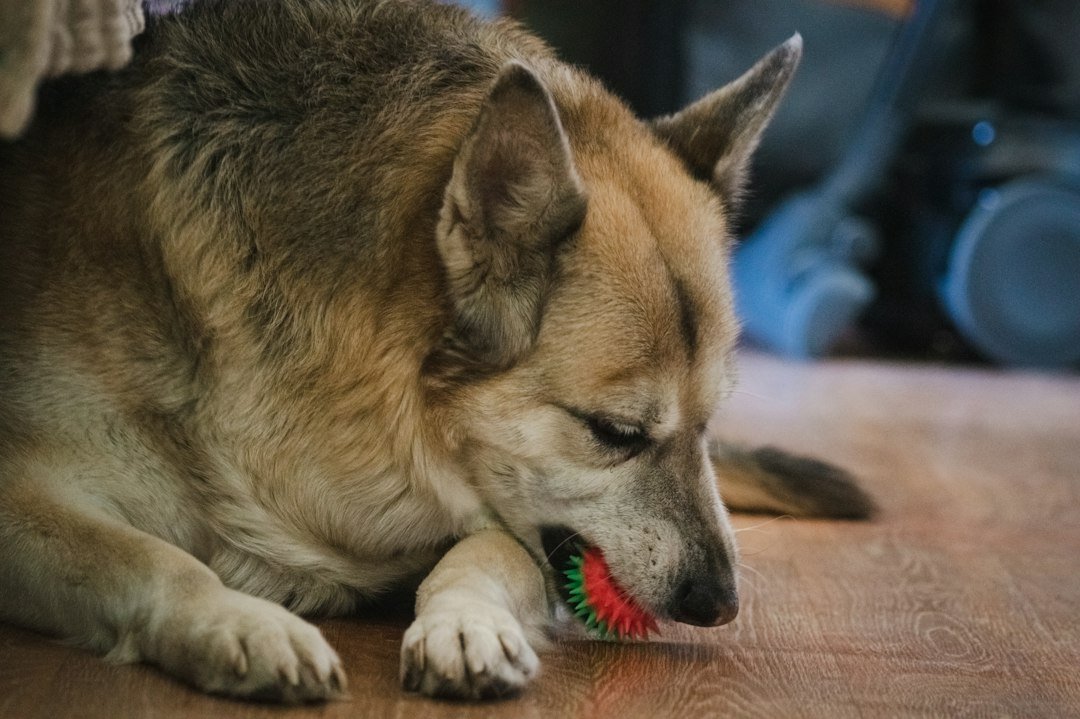
When not to use: avoid heavy or very hard chews until adult teeth are in; young teeth can fracture on dense nylons.
Durable solo chews for boredom or anxiety
What to look for: non-toxic rubber or engineered materials that advertise small-dog sizing. Look for toys meant to withstand repeated gnawing without producing sharp fragments.
When to supervise: always for the first few sessions. If bits begin to flake or the surface cracks, remove the toy immediately.
Interactive and mental-stimulation chews
Slow-feeder balls, treat-dispensing rubber toys and tug options offer enrichment. For small dogs choose versions with smaller openings so treats don’t shoot out in a way that encourages gulping.
How to vet a specific toy before you buy
- Read the size guidance on the package and compare to your dog’s muzzle—measure with a tape if unsure.
- Check materials and certifications: “food-grade rubber,” “BPA-free,” or “non-toxic dyes” are preferable terms. Avoid vague language like “safe materials” without specifics.
- Look for product photos showing a small dog using the toy; manufacturers that only show big dogs may be targeting larger breeds.
- Read reviews from owners of similar-sized dogs; filter for reports of choking, tearing or swallowed pieces.
When to replace or retire a chew toy
Inspect toys weekly. Replace immediately if you see:
- Fraying ropes or long threads
- Deep gouges or cracks in rubber that expose interior material
- Loose seams, exposed stuffing, or missing parts
- Abraded finishing that flakes into small particles
Two product recommendations that match common small-dog needs
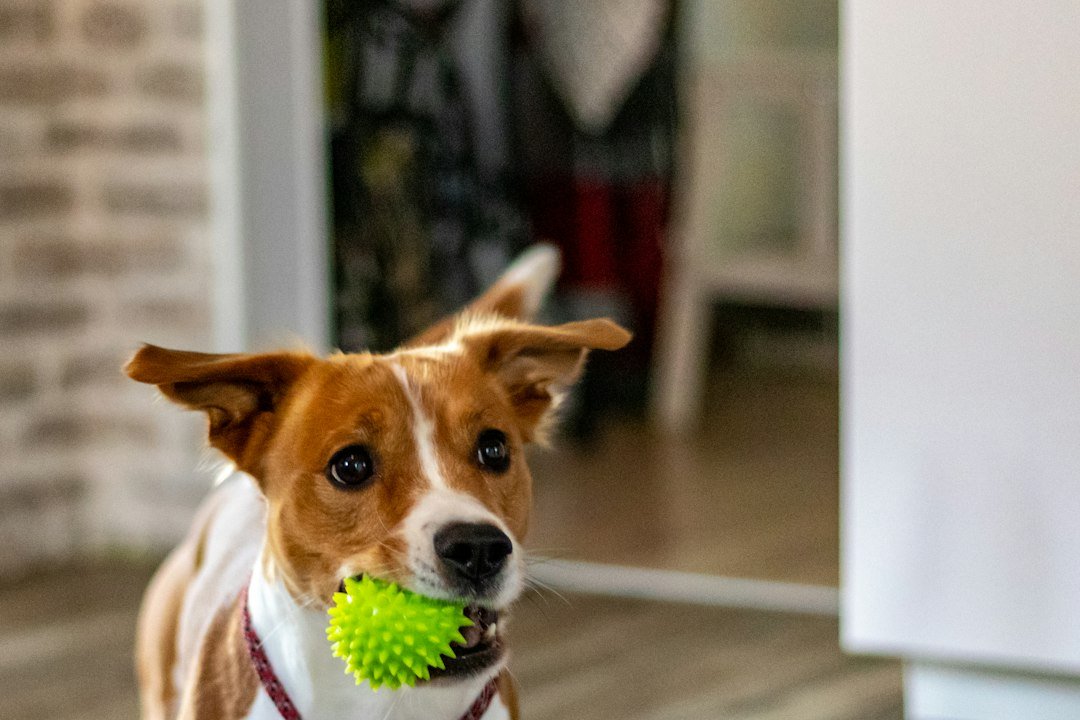
Below are store-matched picks that fit typical use cases: a durable fetch/chew option and a puppy teething pack. Each follows the guidelines above.
Supervision and safety habits that matter more than brand
Keep a rotation of toys so no single item is used to the point of breakdown. Never leave small dogs alone with plush or rope toys until you’re confident they won’t dismantle them. Use chews as rewards—not as constant replacements for attention—and consult your vet if your dog regularly swallows non-food items (pica) or shows abnormal chewing behavior.
Quick sizing checks and cleaning tips
- Measure muzzle width: place a ruler across the front of your dog’s snout and buy accordingly.
- Wash rubber and silicone toys weekly in warm, soapy water; many are top-rack dishwasher-safe but check the label.
- Freeze puzzle toys filled with wet food or broth to extend interest and make teething soothing.
- Measure your dog’s muzzle width to confirm toy size.
- Choose material matching your dog’s chewing intensity (plush, rubber, nylon).
- Inspect product photos and reviews from owners of small breeds.
- Plan to supervise first sessions and inspect for damage weekly.
- Have a safe “retire box” for worn toys to prevent reuse.
Safe, durable chew toys for small dogs are about fit and function: the right size to prevent swallowing, materials suited to your dog’s bite, and a routine of supervision and inspection. Choose toys by use case—teething, enrichment, or heavy chewing—and replace them at the first sign of damage.
Can small dogs use regular adult chew toys?
Not always—many adult or large-breed toys are oversized or made from harder materials that are unsafe or uncomfortable for small mouths; choose small-dog-specific versions.
Are nylons safe for small dogs?
Some soft-grade nylons are formulated for small breeds, but very hard nylons can chip teeth. Only use nylon chews rated for small dogs and monitor tooth wear.
How often should I replace chew toys?
Inspect weekly; replace immediately if seams split, stuffing appears, pieces flake, or rubber cracks. For heavy chewers, expect shorter lifespans.
What toys are best for teething puppies?
Soft rubber textured rings, chilled wet-washable toys, and plush toys with reinforced seams work well—always supervise and avoid very hard chews until adult teeth arrive.
Can I wash dog toys in the dishwasher?
Many rubber and silicone toys are top-rack dishwasher-safe; check product care instructions. Plush toys usually need gentle machine washing or spot cleaning.