Wishlist
Start with the result you want: calm, loose-leash walks
If you want fewer lunges, no neck yanking, and walks you actually enjoy, focus on two things that matter most: equipment that reduces force and short, highly rewarding training sessions that teach your dog where to walk. Ignore popular “alpha” techniques and long punishment-based corrections — they usually confuse small dogs and make walks worse.
Pick the right gear so pulling becomes harder to do
For small breeds, collars can injure the neck and also give a misleading sense of control. A front-clip no-pull harness redirects motion and gives you leverage without choking. The rabbitgoo Dog Harness (ID 2136) is a strong match for small dogs: it’s designed to fit small chests, has a front attachment point, and adjustable straps so the fit is snug but not restrictive.
Fit checklist: you should be able to fit two fingers under each strap, the chest strap sits low across the sternum (not high on the throat), and the front clip sits roughly at the center of the chest. Swap to a leash 4–6 feet long — too long invites weaving; too short gives the dog no freedom to learn.
Teach loose-leash walking with short, repeatable drills
Training is easier when each session is short and predictable. Use 5-minute drills, 3–4 times per day, in low-distraction locations to build the behavior before adding challenges.
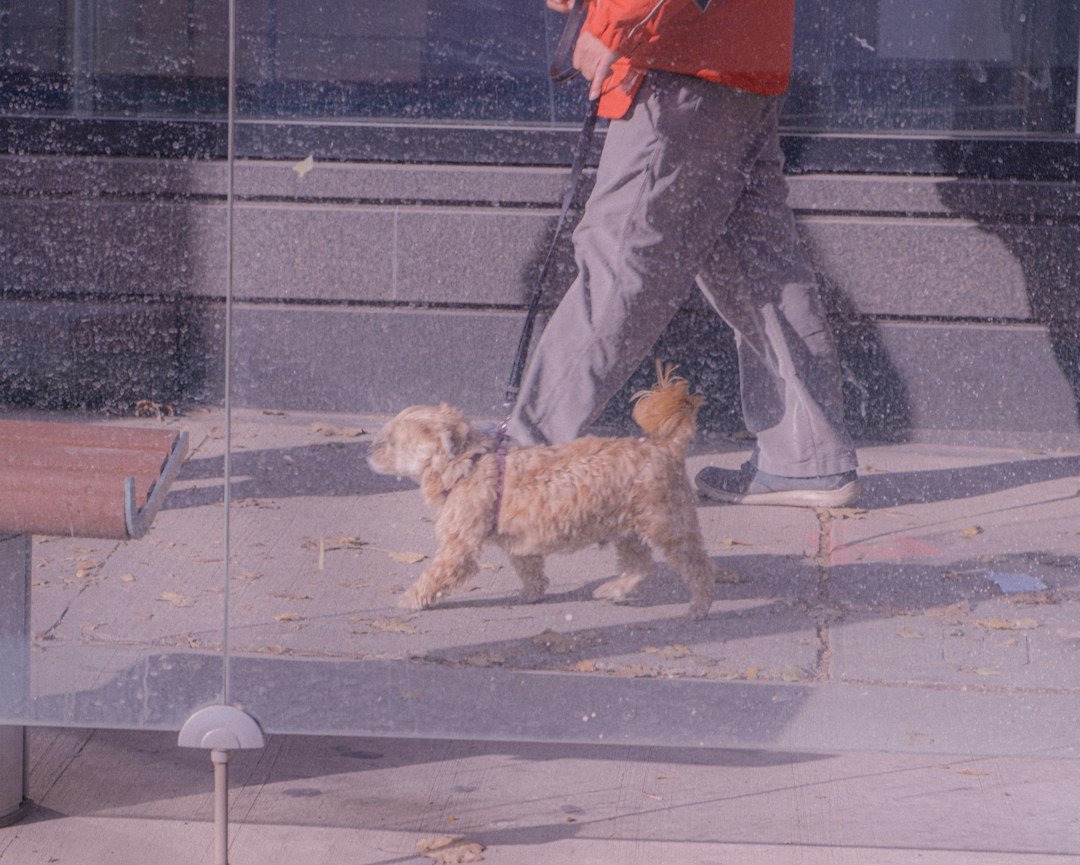
- Marker and reward: pick a clear marker (clicker or a verbal word like “Yes!”). Reward the dog the instant the leash is loose.
- Set up for success: start indoors or in your backyard. Put the harness and leash on, mark any time the dog walks beside you without tension, and immediately deliver a tiny, high-value treat.
- Reward frequency: reward every 1–3 steps at first. Gradually increase to every 5–10 steps as the dog understands the game.
- Use the “stop and wait” rule: when the dog pulls, stop moving. Wait until the leash relaxes, mark, then take a step. This teaches that pulling pauses the walk; a loose leash moves the walk forward.
- Change direction: if stopping doesn’t work, make an immediate about-face and walk the other way. Most dogs reorient to your movement and will come back to you; mark and reward when they do.
Progress the training in real-world steps
Once the dog reliably stays loose at home, add brief street sessions. Keep practice walks short (8–12 minutes) and choose times with fewer people and dogs. Maintain the same high reward rate; novelty on a walk is the dog’s job, not yours.
Gradually increase distraction: first quiet sidewalk, then busier block, then park. If the dog regresses in a new setting, step back to the last successful level and repeat more short sessions there.
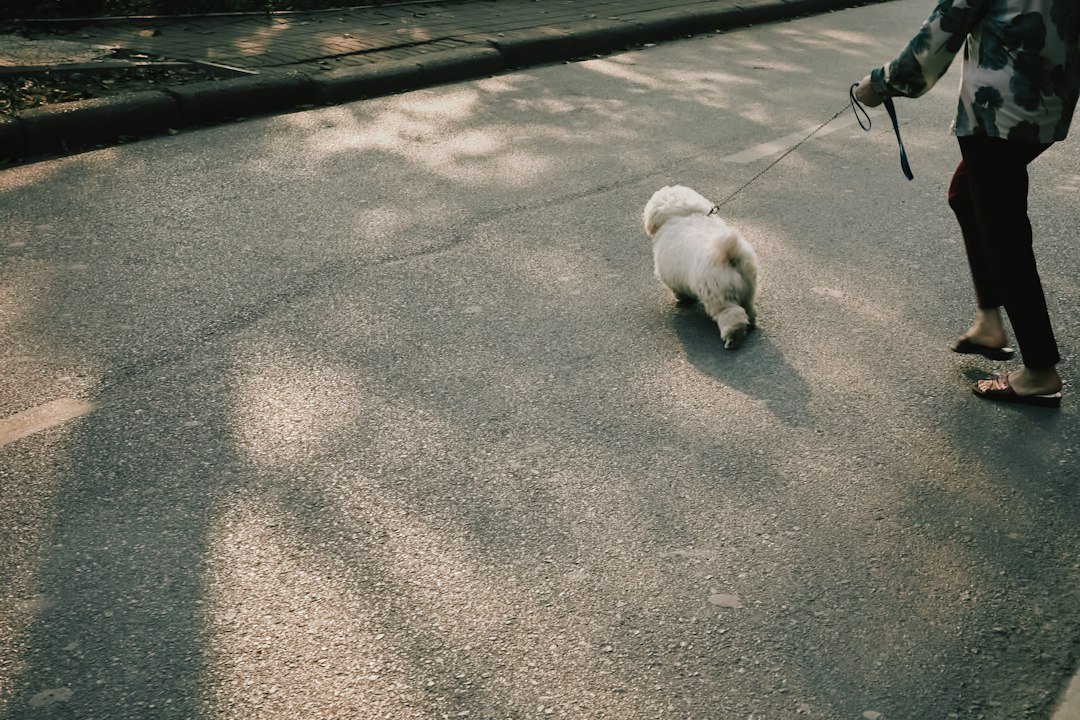
Use motivation, not force: tailor rewards to your dog
Certain small breeds respond better to food than praise. Carry small soft treats in a treat pouch so you can deliver rewards instantly. If your dog prefers toys, use a quick tug or a few seconds of play. The point is a consistent, immediate reward that outweighs the pull-motivated payoff (sniffing, chasing, greeting).
Troubleshooting common setbacks
Dog lunges at other dogs or people
That’s often reactivity, not ordinary pulling. Keep distance, reward calm attention to you, and use gradual desensitization: reward for looking at the trigger from a distance and slowly decrease that distance over many short sessions. For reactive or fearful dogs, consider professional behavior help if progress stalls.
Harness rubs or chafing
Adjust straps and add a thin layer (soft vest or harness pad) if you see rub. Re-check fit after a week of walks because straps settle. If soreness continues, stop using the harness until healed and consult your vet for skin care advice.
Dog pulls only sometimes (e.g., for squirrels)
Pre-empt pulling by increasing reward value when you approach predictable triggers. Teach an alternative behavior like “watch me” (look at your face) and chain it to a reward so the dog trades pulling for focused attention.
When to call a trainer or consider additional tools
If you’ve done structured short-session training for several weeks with little improvement, or if the dog becomes panicked or aggressive on leash, contact a certified force-free trainer or behaviorist. Tools such as gentle leaders can help for specific cases but require careful fitting and professional guidance so they aren’t misused.
Quick daily plan you can follow
- Put on a fitted front-clip harness and 5’ leash.
- Do two 5-minute loose-leash drills at home: mark and reward every few steps.
- Take one short neighborhood practice walk (8–12 minutes) using stop-and-wait and change-of-direction when needed.
- End with a play or treat reward and a calm cool-down.
- Harness fits snugly—two-finger check on all straps.
- Treat pouch ready with tiny soft treats.
- Plan a low-distraction route for practice.
- Set a timer for short 5–10 minute sessions.
- Have a backup plan (change direction) if pulling starts.
Stopping a small dog from pulling takes two things: equipment that reduces harm and a repeatable training routine that rewards loose-leash walking. Start small, stay consistent, and increase challenge only when your dog reliably succeeds.
How long will it take to stop pulling?
Many dogs show clear improvement in 1–3 weeks with daily short sessions; complex cases (reactivity or fear) can take months and may need professional help.
Can I use a collar instead of a harness?
For small dogs, collars risk neck injury and are less effective at preventing pulling. A properly fitted front-clip harness is usually safer and more effective.
Are choke or prong collars ever appropriate?
No. Those tools can cause pain or injury and often increase fear or reactivity; force-free alternatives are safer and effective.
What if my dog is motivated by smells and ignores treats?
Increase reward value (strong-smelling soft treats) and shorten training distance from distractions; teach “watch me” and reward attention to you before you reach high-odor zones.
Should I try a gentle leader?
Gentle leaders can help redirect the head and reduce pulling, but they require correct fitting and gradual introduction; consult a trainer if you plan to use one.