Wishlist
That five-minute moment before the morning rush
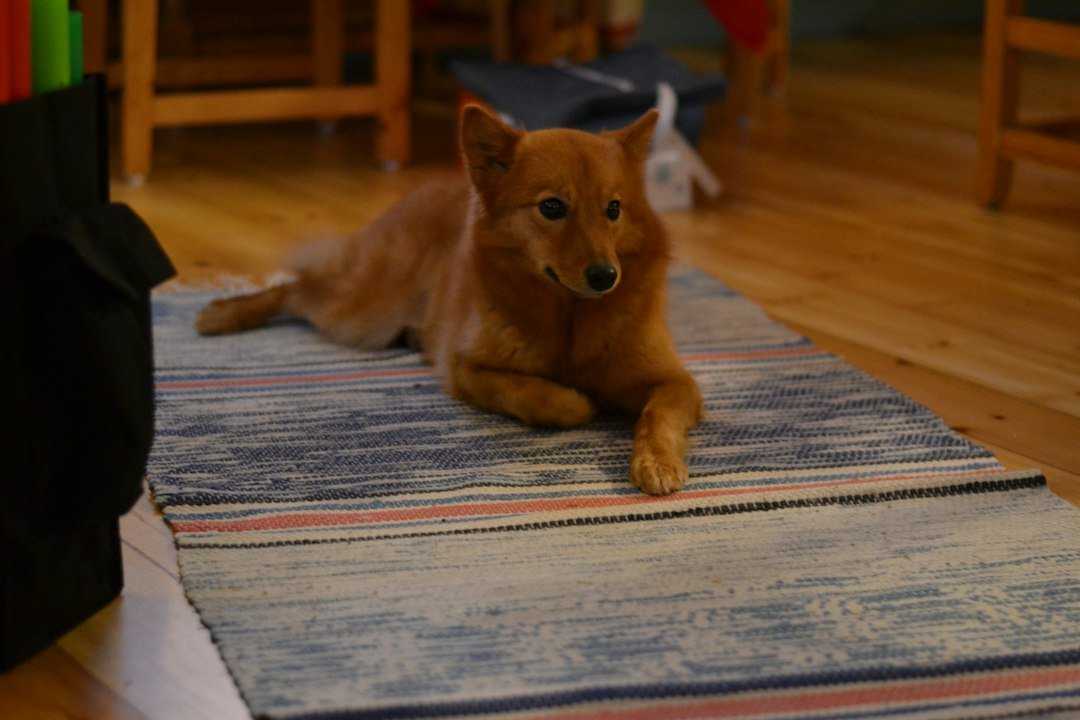
You grab your keys, your dog flips over for belly rubs and—if you pause for those three minutes to play tug, top off a water bowl, or do a quick check of ears and paws—you’ll have already done one of many small things that add up to a better life for your dog. These are habits you can use in regular sequences throughout the day so each is quick, reliable and not another chore on your list.
How to use this list
This article presents 11 everyday habits organized around a typical day: morning, daytime, exercise/play sessions, grooming/health checks and evening. Each habit explains why it matters, how long it takes, and where you can simplify so you don’t add busywork.
Morning: start calm and consistent
1. Begin with a short, consistent morning walk
Why: A 10–20 minute walk first thing clears energy, stimulates the nose and reduces anxiety before you leave the house. How: Keep it consistent—same route and similar time most mornings—so your dog learns the routine. Simplify: If time is tight, split the walk into two five-minute potty-and-sniff sessions rather than skipping it entirely.
2. Feed on a routine and consider paced feeding
Why: Predictable meal times stabilize digestion and behavior; slow feeding prevents gulping and helps weight control. How: Use a measured portion and a slow-feeder bowl or puzzle for at least one meal. Time investment: 2–3 minutes to measure, 1–2 minutes to set up a slow feeder. Simplify: If you don’t have a slow-feeder, spread kibble across a flat tray so your dog works a little for food.
Daytime: hydration, comfort and mental work
3. Keep water accessible and offer a refill during outings
Why: Hydration supports digestion, temperature regulation and joint health. How: Provide fresh water at home and carry a portable dog water bottle on walks. Time: seconds during each outing. Simplify: If you forget a bottle, stop at a shaded bench and offer water from your own bottle into your hand.
4. Give short, frequent mental stimulation sessions
Why: Mental work tires a dog as much as physical activity and reduces boredom-driven chewing or barking. How: Three 3–5 minute puzzle or training mini-sessions spread through the day—teach a new cue, hide a few treats around a room, or offer a short nose-work game. Simplify: Rotate one favorite puzzle toy so you don’t need many items.
5. Provide safe, comfortable resting places in different rooms
Why: Dogs nap frequently; having options reduces stress when household activity moves from room to room. How: Keep a bed or mat in the main living area and one near any work-from-home space. Simplify: Use washable mats that are easy to move and clean rather than multiple bulky beds.
Exercise and social routines
6. Mix walks with short play or training bursts
Why: Variety keeps exercise interesting: structured walks build endurance, while short sprint-play or training drills increase coordination and engagement. How: After a 15-minute walk, add two five-minute recall or fetch drills in a safe area. Simplify: If you lack an off-leash area, play a quick tug or do fast-paced obedience drills on leash.
7. Schedule weekly socialization or new-scent experiences
Why: Regular exposure to new places, people or dogs maintains social skills and reduces fear. How: Aim for one weekly novel outing—farmers market, pet-friendly store, or a friend’s yard. Time: an hour or less. Simplify: If group outings aren’t possible, rotate new walking routes to introduce new smells and scenery.
Grooming and health checks—every day, a little
8. Do a daily quick grooming check
Why: Early detection of skin issues, ticks, or paw injuries prevents small problems from becoming big ones. How: Spend 2–3 minutes running your hands over the coat, checking ears, eyes and feet. Simplify: Pair the check with brushing—one short brush while watching TV or before a walk.
9. Brush teeth or offer dental care daily
Why: Dental disease affects appetite, breath and long-term organ health. How: Brush with canine toothpaste daily or rotate chew-safe dental treats and toys if brushing isn’t yet routine. Time: 1–3 minutes. Simplify: Start with two or three short brushing sessions per week and build up frequency.
Evening: wind-down routines that improve sleep and bond
10. Slow down with a calm ritual before bed
Why: A predictable pre-bed routine reduces late-night pacing and helps dogs sleep more soundly. How: A short walk, a grooming check and 5–10 minutes of gentle petting or a quiet training session signals the day is ending. Simplify: Choose two calming actions (walk + cuddle) rather than trying to do everything every night.
11. Keep veterinary and preventive care on an easy schedule
Why: Vaccinations, parasite prevention and annual checkups detect problems early. How: Use calendar reminders and consolidate appointments (e.g., nail trim during the annual exam). Simplify: Keep a single contact sheet with your vet’s schedule and medication renewal dates so you only handle logistics once a month.
How to choose which habits to add first
Decide by impact and ease: if your dog rushes meals, start with paced feeding; if they drink little, prioritize portable water on walks; if they’re restless, add short mental sessions. Keep each new habit under five minutes until it’s automatic.
- Start the day with a short walk at a consistent time.
- Measure meals and use a slow-feeder occasionally.
- Offer fresh water at home and bring a bottle on walks.
- Do a 2–3 minute grooming and paw check daily.
- Schedule one weekly novel outing or route change.
- End the day with a calming pre-bed ritual.
Choose two habits from different parts of the day—one physical (walk, play) and one mental or health-focused (slow feeding, grooming check). Practice them for two weeks to make them part of your dog’s routine before adding more.
How long before a new habit feels normal?
Most dogs and owners adapt in about two weeks of consistent repetition; keep changes small and predictable to help that happen.
What if my dog resists grooming checks?
Start with one-touch sessions paired with treats and praise; gradually increase duration as your dog relaxes.
Can these habits prevent behavior problems?
Consistent exercise, mental stimulation and routine reduce many boredom- and anxiety-driven behaviors but consult a trainer for persistent issues.
Is a life jacket necessary for everyday life?
Not for daily walks, but if you spend time near water, a well-fitted life jacket is a practical safety habit—consider one when planning water outings.