Wishlist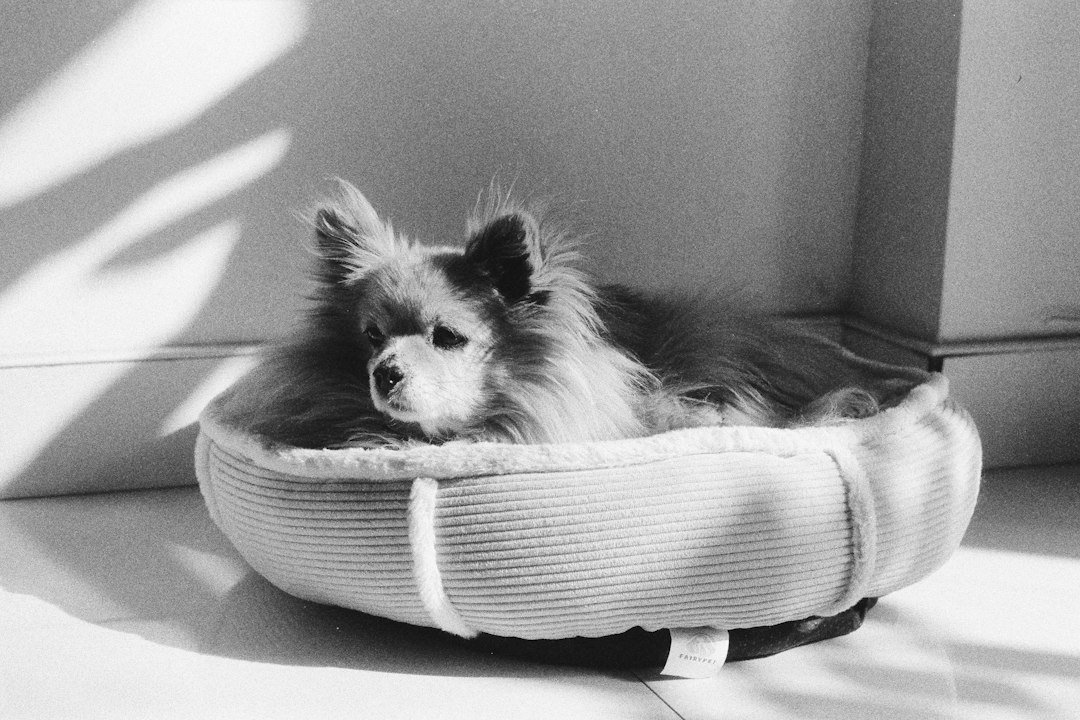
Quick answer: pick a bed that fits your small dog's size and sleep style, with safe fill and an easy-to-clean cover
The best dog bed for your small breed balances three priorities: correct dimensions (so your dog can stretch or curl comfortably), the right support level for age/health, and a fabric or cover you can actually wash. Choose shape and features based on where and how your dog actually sleeps—not what looks cute in photos.
What actually matters before you shop
Before comparing brands or fills, sort the fundamentals. Answer these questions: How does your dog sleep (curled, sprawled, burrowed)? Is your dog young and active, anxious, or a senior with joint issues? Where will the bed live (crate, couch-side, porch)? How often can you do laundry? These answers narrow options quickly and prevent costly returns.
Size and fit: small breeds are not one size
Measure your dog from nose to tail while relaxed. Add 6–12 inches so they can change position comfortably. Typical guidance: toy breeds (under ~10 lbs) often need 18–22" beds; small breeds (10–25 lbs) usually fit 22–30". If your dog likes to sprawl, pick the larger end of the range.
Sleep style determines shape
- Curlers (Chihuahuas, Pomeranians): round or donut beds with bolsters for head/neck support.
- Stretchers (Italian Greyhounds, Dachshunds): flat pillow or rectangle bed with low edges.
- Burrowers (Yorkies, some Terriers): beds with high sides or a cave/hooded option to mimic denning.
Support & fill: match to age, weight and joints
Foam vs. polyfill matters. Memory foam or high-density foam gives the best joint support for seniors and small dogs with arthritis; thick fiberfill is plush and cheap but flattens faster. A layered approach—memory foam base with a plush top layer—gives support plus cushioning without feeling rock-hard.
Temperature and insulation
Small dogs lose heat quickly. If you have a short-haired or tiny dog, choose a bed with insulating cover materials (fleece, Sherpa) or a cave-style bed. For overheated homes or dogs that prefer cool surfaces, breathable canvas or mesh options prevent overheating.
Durability, washability and hygiene
Look for removable, machine-washable covers and beds with non-toxic, water-resistant liners. Small breeds often carry more outdoor debris into beds (hair, saliva, food), so frequent washing must be practical—avoid glued seams that prevent full washing.
Safety considerations
Avoid beds with small buttons, loose piping, or easily removed squeakers that a small dog could chew off and swallow. Check fills for certified non-toxic materials when possible.
Choosing by use case: match the bed to the situation
Everyday indoor bed for living areas
Best choice: a plush bolster or flat pillow with a removable cover. Bolsters give neck support and a sense of boundary; low-profile pillows are easier for older small dogs to step onto.

Look for a non-skid bottom if the bed sits on hardwood. If your small dog sheds heavily or has allergies, choose a tight-weave fabric that resists trapping dander and is easy to brush off before washing.
Senior dogs or dogs with joint pain
Best choice: memory foam or orthopedic small dog bed. The thicker the supportive foam base (at least 1–2 inches for very small dogs), the better the pressure relief. Avoid flimsy beds that compress to the floor after a few months.
Anxious dogs and burrowers
Cave beds or high-bolster donut beds help create a secure, enclosed feeling. Weighted blankets or beds with heavier bolsters can also reduce anxiety for some dogs—try short trials to see whether your dog feels confined or comforted.
Travel, crates and car use
Best choice: thin, portable mattress or foldable travel bed with a washable cover. Choose models that fit your crate dimensions or the car seat, and that have straps or a non-skid bottom for stability.
Outdoor, porch or sunroom
Pick a water-resistant, UV-stable bed with quick-dry fills. Even for covered outdoor areas, bring beds inside during rain and wash regularly to prevent mildew. Elevated cots with mesh centers work well for small dogs who like airflow and staying off damp floors.
Where to save and where to invest
Save on decorative outer appearance—covers are easily replaced. Invest in the filling and construction: quality foam cores, double-stitched seams, and reliable zippers. A well-made bed lasts far longer and retains support, especially for senior pets.
When a product recommendation helps
After you’ve measured and chosen a use case, a specific bed can solve the need quickly. If you need an all-around indoor bed for a small breed that prefers curling, the store’s top-ranked mid-size bolster is a practical match. For joint support, choose the highest-ranked memory foam option available in the small-breed category.
Place this recommendation after confirming your dog’s size and that you want orthopedic support—it’s intended for small breeds needing extra joint protection.
Care and maintenance tips that extend bed life
- Wash covers weekly for heavy shedders; monthly for low-use beds.
- Air the inner foam outside periodically to reduce odors; spot-clean spills quickly.
- Rotate beds to even out wear and to discover when foam has compressed past useful support.
- If your dog chews, use chew-resistant covers and supervise until you know the behavior is outgrown or managed.
Placement and transition advice
Place the bed where your dog already sleeps—near your couch or in a quiet corner. When introducing a new bed, add an item with your scent (worn T-shirt) and give short, encouraged sessions rather than forcing use. For anxious dogs, combine a gradual introduction with treats and consistent placement.
- Measure your dog lying down nose-to-tail and add 6–12 inches.
- Match bed shape to sleep style (curl, stretch, burrow).
- Choose memory foam for seniors; plush fill for puppies/young dogs.
- Confirm the cover is removable and machine-washable.
- Check entry height and non-skid backing for your floor surface.
- Avoid small detachable parts that could be chewed off.
Start by measuring and observing your dog’s sleep habits; then choose shape and fill to match those needs. Prioritize support and washability over looks—those choices make the biggest difference in comfort and longevity for small breeds.
How big should a bed be for a 10-pound dog?
Measure the dog lying down and add 6–12 inches; many 10-pound dogs are comfortable on beds about 18–24 inches across depending on sleep style.
Is memory foam overkill for small dogs?
Not if the dog has joint pain or is an older small breed—memory foam offers meaningful pressure relief even in small sizes.
Are bolsters necessary for small dogs?
Bolsters aren’t required but benefit dogs that like to rest their heads on a raised edge or that seek a den-like boundary for security.
Can I use a human pillow for a small dog?
A firm human pillow may be fine short-term, but pet beds are designed for chew resistance, washable covers, non-toxic fills, and appropriate entry heights.