Wishlist
Most people think the only essentials are food and a bed—there's more that makes the first week easier and safer.
Use this puppy essentials checklist to get practical, tangible items and a few planning moves done before your puppy arrives. The focus is on readiness: feeding, safety, comfort, grooming, and first-week logistics. If you complete these, the early days will be less stressful for both of you.
Feeding and hydration basics you should buy first
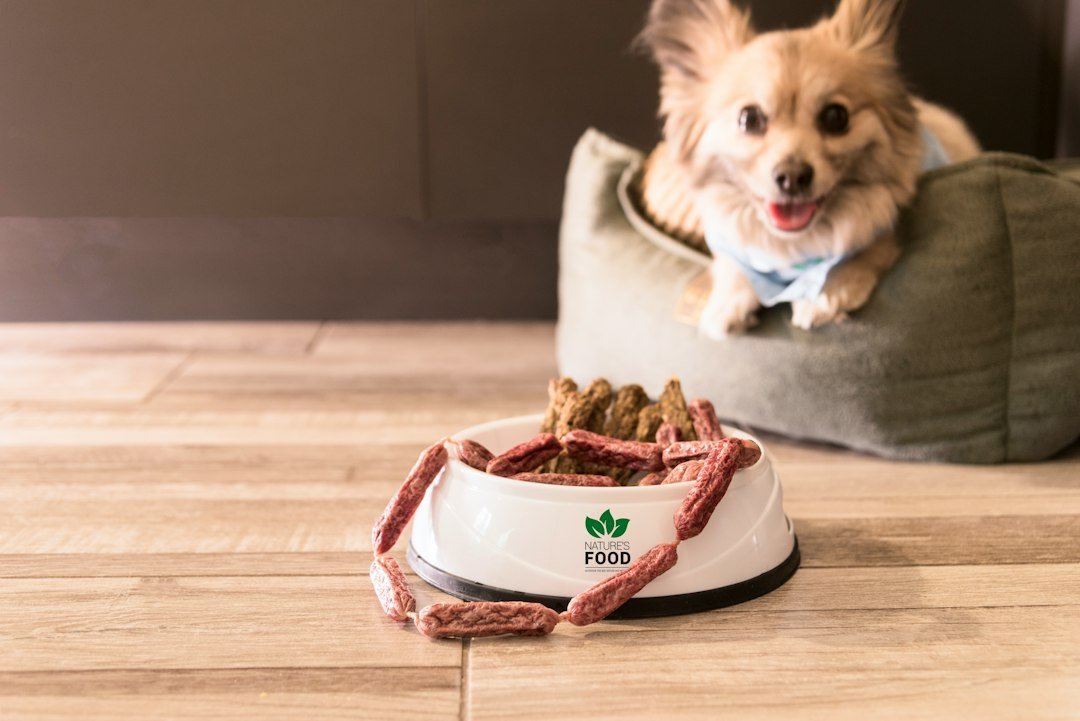
Decide what food the breeder or shelter has been feeding and buy the same brand and formula for at least the first week to avoid stomach upset. Get measured containers and a plan for portion sizes.
- Food: one bag of the current puppy formula (small-breed if relevant) and a small resealable container for daily portions.
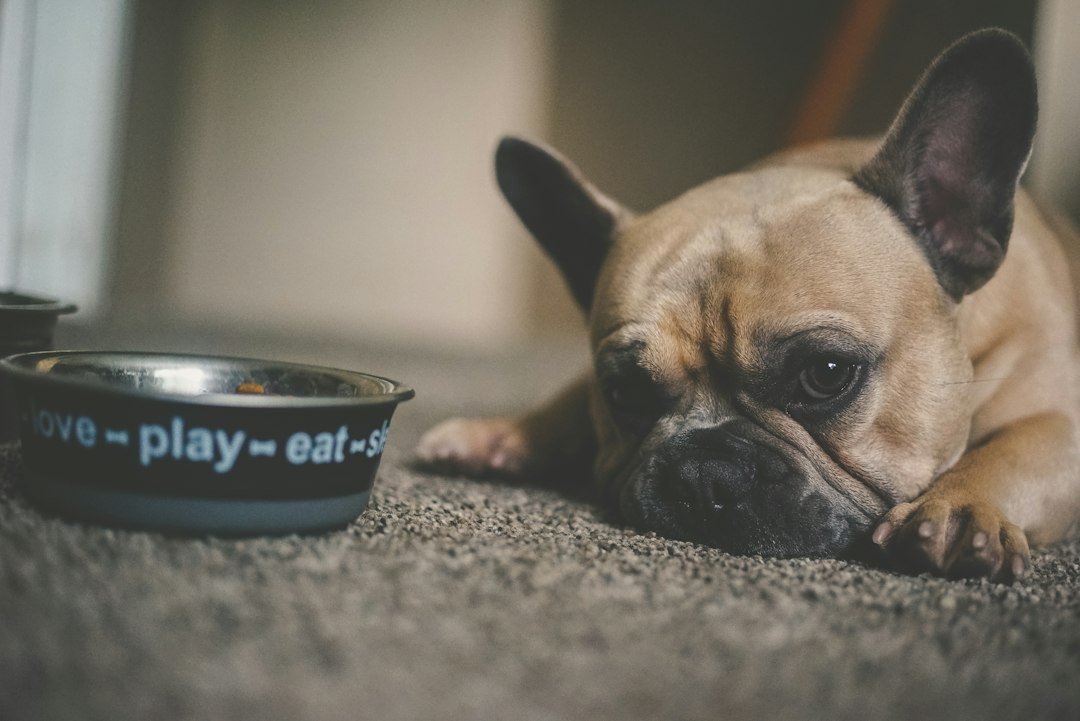
- Bowls: heavy, non-tip stainless steel or ceramic bowls—one for food, one for water.
- Portable water bottle for outings so your puppy can hydrate during short walks or car rides.
Safe sleep and containment: crate, bed and where to put them
A properly sized crate (large enough for sitting/turning but not huge) becomes the puppy’s den and a key house-training tool. Introduce it calmly—never use it for punishment.
- Crate with divider panel to grow with the puppy.
- Comfortable, washable bed or blanket that fits the crate and a spare for other rooms.
- Location plan: keep the crate near family activity at first, then slowly move to the long-term spot.
Toileting, training and odors: quick wins that save time
House-training is mostly about routine and consistency; the right supplies remove friction.
- Pee pads or an indoor grass patch if you’ll need indoor options temporarily.
- Enzyme-based cleaner for accidents—enzyme action removes scent that invites repeat accidents.
- Collapsible or travel tray for puppy potty breaks on errands and short trips.
Health, safety and grooming items to have ready
Make an appointment with a veterinarian in the first week. Meanwhile, keep these items within reach:
- Basic first-aid kit for pets (bandages, antiseptic wipes, tweezers) and your vet’s contact info.
- Flea/tick prevention and deworming schedule—confirm with your vet before starting any product.
- Brush or comb matched to the puppy’s coat type and a gentle puppy shampoo for occasional baths.
Play, chew and enrichment: choose toys that teach and soothe
Puppies explore with their mouths; toys channel that need—and help protect your furniture. Rotate toys to keep interest high.
- Durable chew toys (rubber, rope) sized for the puppy to prevent choking risks.
- Interactive puzzle toy for mental stimulation and slow-feeding practice.
- One soft comfort toy for sleep sessions (replace when worn).
Walking and control gear: harness, leash and ID
Choose a harness for easier control and to avoid neck strain. Fit it before the first walk so the puppy can get used to it at home.
- Adjustable, padded harness sized for puppies and a 4–6 foot leash.
- ID tag with your phone number and a breakaway collar for very small puppies.
- Carrier or travel crate for safe car travel and vet visits.
Grooming, dental care and nail trimming
Start gentle grooming early so it becomes routine. Use treats and calm handling to build positive associations.
- Puppy toothbrush and enzymatic toothpaste.
- Clippers or a nail grinder appropriate for small nails and a styptic powder for accidental nicks.
- Soft brush suited to the breed’s coat to reduce mats and shedding.
Clothing, weather prep and seasonal needs
Match your purchases to your climate and the puppy’s breed. Short-haired breeds often need a coat for cold weather; long-haired breeds may need dematting tools.
- Light coat for chilly walks if the puppy is small or thin-coated.
- Paw balm for ice/salt protection in winter and sun protection for light noses if needed.
Practical paperwork and planning—what to organize before pickup
Paperwork reduces stress and ensures continuity of care.
- Vet appointment scheduled for within 3–7 days of pick-up and any vaccination records from the breeder or shelter.
- Microchip registration details and emergency contact plan (who will care for the puppy if you can’t).
- Short list of house rules (where the puppy is allowed, furniture rules) to share with household members so everyone is consistent.
Product recommendation to simplify outings
For quick hydration on walks and car rides, a travel water bottle designed for dogs reduces spills and waste. It’s handy for the first weeks when routines are still new.
- Confirm breeder/shelter food and buy one same bag for the first week.
- Select and size a crate with a divider; choose a washable bed.
- Book the first vet visit and save emergency contact numbers.
- Gather grooming, cleaning and basic first-aid supplies.
- Purchase a harness, short leash and visible ID tag.
Focus on three priorities: reliable feeding and hydration, a safe den and consistent toilet training. Get items that reduce friction in those areas first; other accessories can wait until you know the puppy’s routine and preferences.
What food should I buy before bringing a puppy home?
Buy the exact formula the breeder or shelter has been using and enough to last a week; sudden food changes can cause diarrhea. Transition gradually to a new food over 7–10 days if you plan to switch.
Do I need a crate right away?
Yes—crate training helps with house-training and gives the puppy a safe, calm place. Choose a crate with a divider so it fits as the puppy grows.
Which grooming tools are essential for a new puppy?
A soft brush or comb for the coat type, a puppy toothbrush and gentle shampoo are basics; add nail trimmers and a deshedding tool based on breed.
How soon should I schedule a vet visit?
Within the first week of bringing your puppy home—so the vet can review vaccination needs, deworming, microchip checks and general health.
What should I avoid buying immediately?
Avoid large or indestructible toys you don’t need, expensive accessories that don’t solve an immediate problem, or multiple new foods—buy basics first and adjust as you learn your puppy’s habits.