Wishlist
Small detail people often miss about small breeds
Many owners assume small dogs need less care because they eat less and take up less space. In reality, keeping a small dog happy, healthy, and active means tailoring activity, feeding, and safety to their size and metabolism—different choices than you’d make for a larger breed.
1. Match exercise to body and energy, not just time
Short bursts of higher-quality exercise beat long, slow outings for many small breeds. Aim for multiple 10–20 minute sessions a day: brisk leash walks, short stair repeats (if joints are healthy), or a couple of indoor fetch rounds. Monitor breathing and gait—small dogs can overheat or tire quickly, so watch for heavy panting or reluctance to continue.
2. Prioritize “small-dog appropriate” nutrition
Choose kibble or recipes formulated for small breeds: smaller kibble sizes, denser calories, and nutrient balances that support a fast metabolism. If your dog tends to gulp food, use a slow feeder bowl or scatter meals across the day to prevent bloating and improve digestion.
3. Make mental exercise part of the daily routine
Mental stimulation prevents boredom-driven behaviors. Rotate puzzle toys, teach short tricks (3–5 minute sessions), and hide small treats around the house for foraging play. A snuffle mat or adjustable food-dispensing puzzle gives a 10–15 minute mental workout that’s low-impact physically but tiring mentally.
4. Use gear sized and tested for small breeds
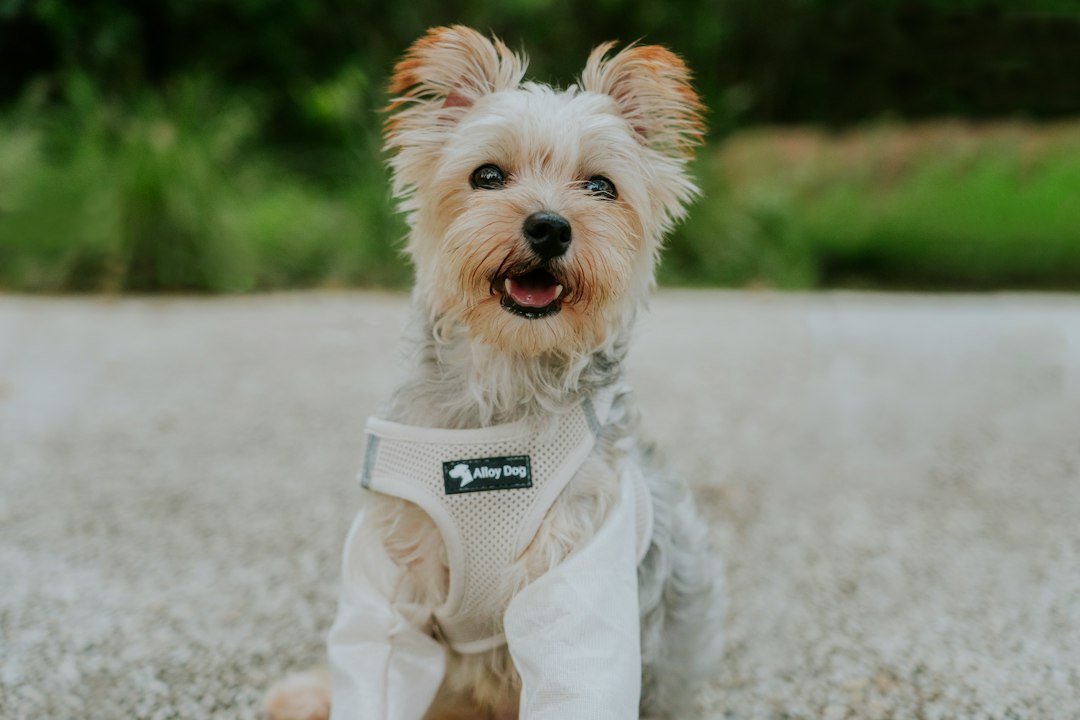
Avoid heavy collars or oversized harnesses. Lightweight step-in harnesses and short, comfortable leashes reduce strain and improve control. For outings where your dog may need a break, a well-ventilated small dog stroller can be safer than forcing long walks.
5. Prevent dental decline early
Small breeds are predisposed to dental tartar and gum disease. Brush teeth several times weekly, provide dental chews matched to small mouths, and schedule regular professional cleanings as advised by your vet. Look for early signs—bad breath, difficulty chewing, or gum redness—and address them promptly.
6. Keep a consistent daily routine
Small dogs thrive on predictability. A consistent schedule for feeding, walks, play, and quiet time helps with house training, reduces anxiety, and keeps energy levels even. If you need help building a routine, our guide on daily routines for dogs has ready-made templates.
7. Create safe indoor activity zones
Designate a low-traffic play area with non-slip rugs, an enclosed puppy-proofed room, or a small-dog-friendly crate for supervised solo time. Use interactive toys there so your dog can play safely while you’re busy. If mobility is limited, a short supervised treadmill session can maintain conditioning without outdoor hazards.
The treadmill above is useful when weather or mobility limits outdoor time—use it only after gradual familiarization and under supervision, starting at very slow speeds and short durations.
8. Train for bite inhibition and social calm
Small dogs often get lifted into situations where inappropriate nipping becomes a problem. Teach calm greetings, loose-leash walking, and a reliable “off” cue. Arrange short, controlled socialization experiences with well-mannered dogs and people so your dog learns appropriate play without becoming overexcited or fearful.
9. Monitor weight and joint health closely
Even a small weight gain in a tiny dog changes body proportion and increases joint stress. Weigh your dog monthly and check waistline and rib coverage regularly. If you notice stiffness, reluctance to jump, or changes in gait, consult your vet early—small dogs benefit from early management like weight control and targeted supplements when recommended.
10. Dress for weather and mobility differences
Small dogs lose heat faster and can be more vulnerable to cold and wet conditions. Use lightweight sweaters or water-resistant coats for cold walks and booties for icy sidewalks. Conversely, watch for overheating in hot weather—seek shaded routes, avoid mid-day heat, and consider short indoor play instead.
- Can you split activity into 2–3 short sessions today?
- Is your dog’s food size and calorie density matched to a small breed?
- Have you scheduled a dental check or teeth-cleaning reminder?
- Do you have a safe indoor play spot with puzzle toys rotated weekly?
- Is your harness and leash lightweight and correctly sized?
Keeping a small dog happy, healthy, and active means tailoring feeding, movement, enrichment, and safety to their size and metabolism. Prioritize short quality exercise sessions, mental games, dental care, and appropriately sized gear to prevent common small-breed issues.
How much exercise does a small dog need daily?
Most small dogs do well with 30–60 minutes total per day broken into multiple short sessions; adjust for age, breed energy level, and health.
Are small dogs more prone to dental problems?
Yes—crowded teeth and smaller jaws raise tartar risk; regular brushing and dental checks are especially important.
Can I use a treadmill for my small dog?
Yes, a treadmill can help during bad weather or mobility limits, but introduce it slowly and always supervise to ensure safety and proper speed.
What indoor toys work best for small breeds?
Small-sized puzzle feeders, snuffle mats, and light interactive toys that dispense kibble suit small mouths and provide mental stimulation without heavy chewing.
When should I consult a vet about activity or weight issues?
Talk to your vet if you notice sudden weight change, decreased activity, limping, or difficulty breathing during exercise—early intervention matters.