Wishlist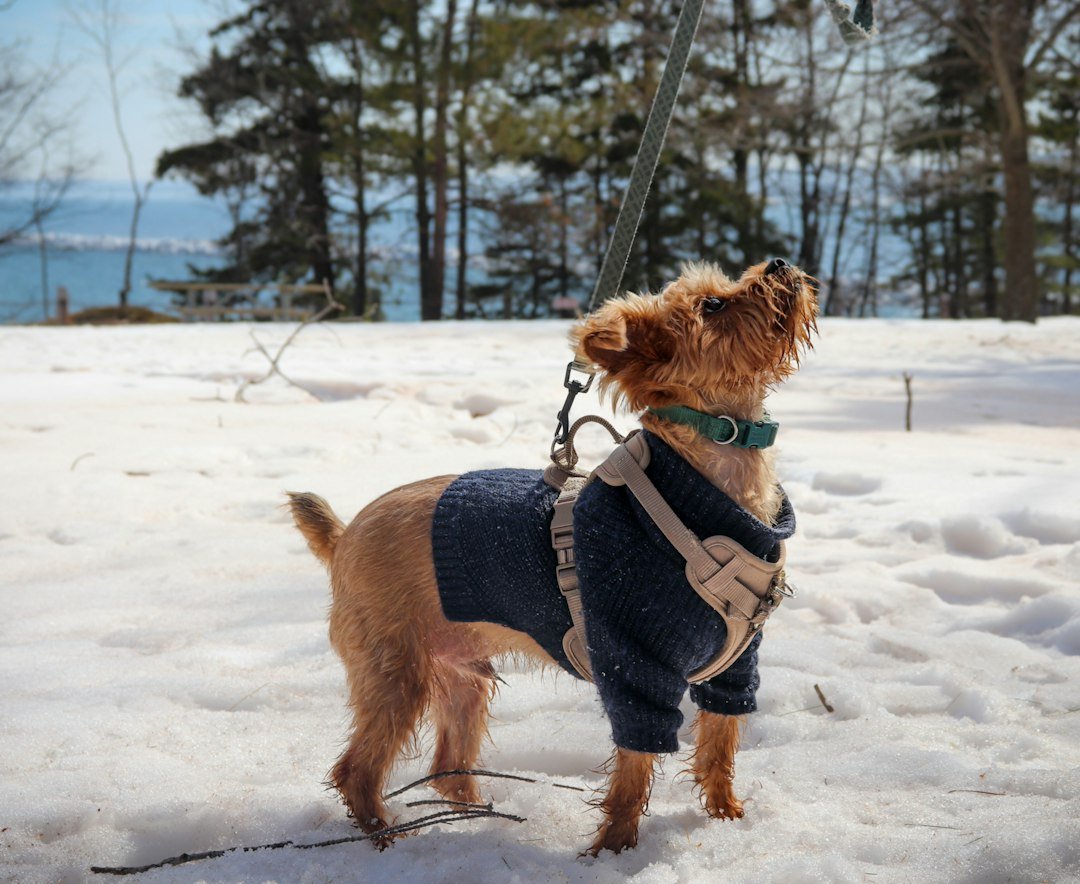
Answer first: Keep your dog comfortable by matching protection to risk—shorten cold exposure, layer warmth where needed, protect paws, maintain hydration and calories, and adapt activity and housing for age, breed and health.
Those five actions—limit exposure, dress and bed them appropriately, care for paws, adjust food and water, and modify exercise—prevent discomfort and cold-related illness. Below is a practical, ordered plan you can follow today and adapt across different dogs and winter conditions.
Assess your dog’s risk and immediate steps to reduce exposure
Decide how cold is for your dog by combining outdoor temperature with breed, size, coat type and health. Small, short-coated, very young, elderly or sick dogs, and dogs with low body fat lose heat fastest. If temperatures dip near or below freezing for these dogs, treat it like a potentially hazardous day.
- High-risk dogs: stay mostly indoors; replace long walks with short supervised outings for potty breaks.
- Moderate-risk dogs: use short walks and increased play inside; avoid long stays on frozen surfaces.
- Low-risk dogs (thick-coated, active working breeds): you can maintain regular walks but watch for fatigue or shivering.
Dress and layer for warmth the right way
Not every dog needs a coat, but when they do, fit and function matter. A proper winter coat traps body heat without restricting movement; water-resistant shells help in slush and wet snow.
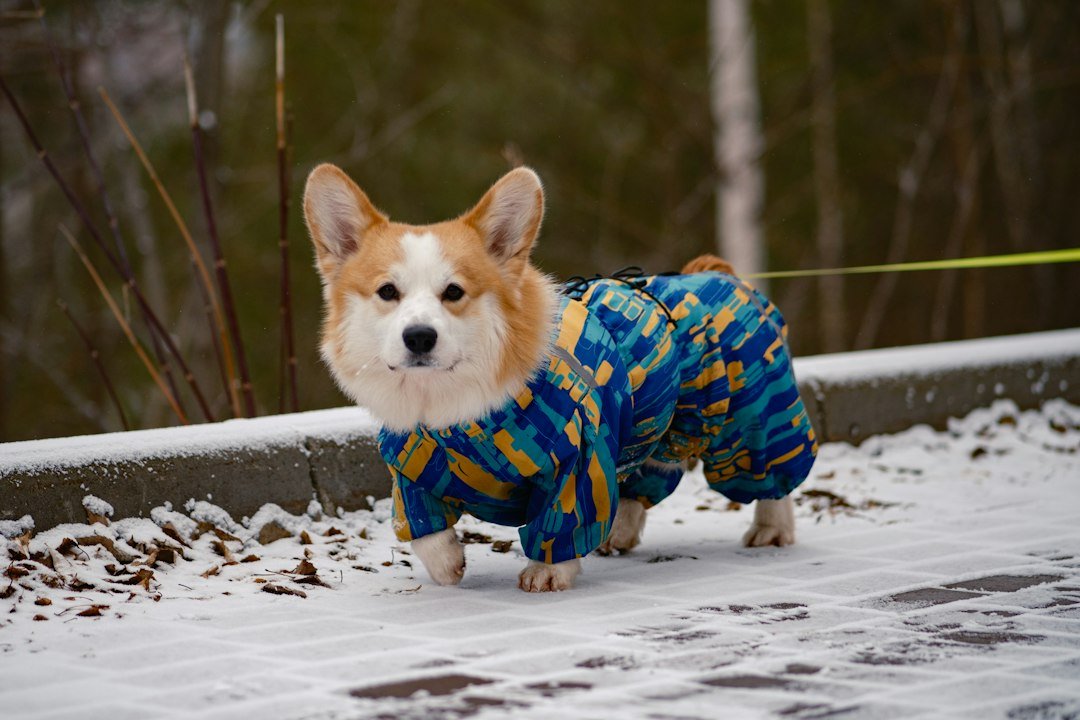
- Choose the right style: full-back coverage for small or short-haired dogs; puffers or fleece for very cold, dry days; waterproof shells during wet weather.
- Fit checklist: coat should cover from base of neck to tail, allow comfortable leg movement, and fasten without pinching. Check size charts and measure your dog before buying.
- Layering: thin sweater under a shell can work well; avoid too-tight clothing that reduces circulation.
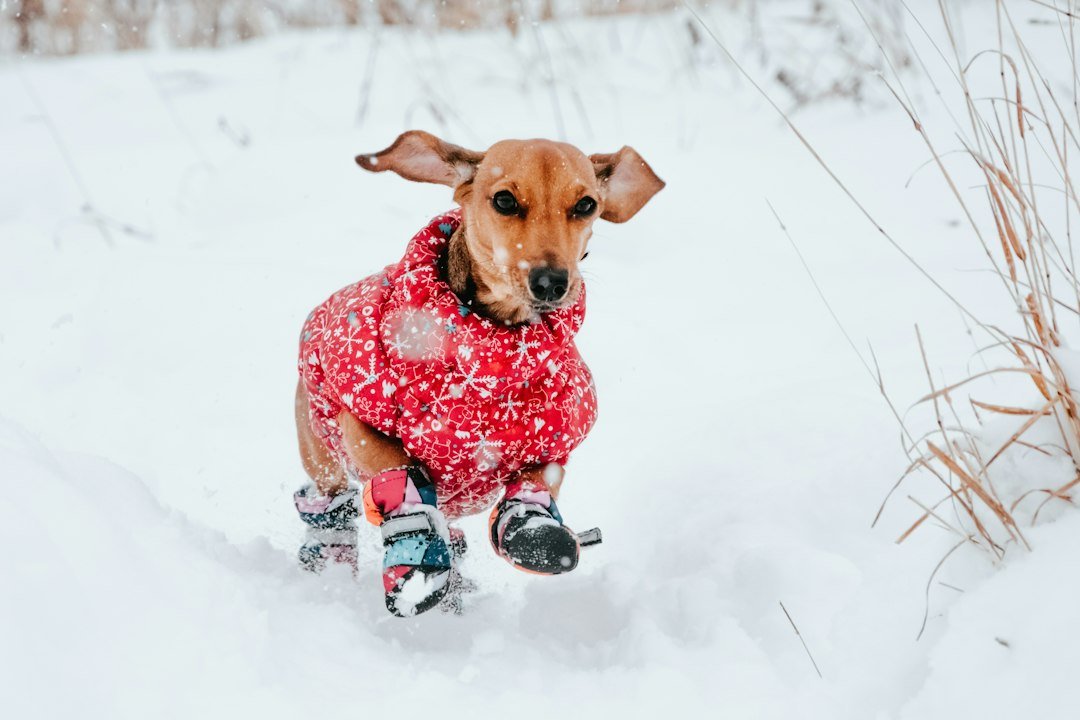
When to use boots: put boots on if surfaces are icy, salted, or if your dog tolerates them. Look for flexible soles and secure closures, and practice indoors so they’ll tolerate boots on walks.
Protect paws, nose and ears
Paws are often overlooked but take the most damage—cracks, ice build-up and chemical burns from salt and de-icers.
- Before walks: wipe or apply a pet-safe paw balm to create a barrier against salt and cold.
- After walks: rinse and dry paws to remove salt, sand and ice; check between toes for ice balls and redness.
- Nails: keep nails trimmed—long nails force paw pads to spread, exposing more skin to cold.
Keep the home warm, dry and comfortable
Indoor warmth matters as much as outdoor precautions. Create warm sleeping zones and remove cold floors and drafts.
- Sleeping area: move beds away from doors and windows, add an insulated bed or extra blankets, and consider elevated beds to avoid cold floors.
- Humidity: indoor air can become dry with heating—use a humidifier or place water bowls safely near warm areas to ease dry noses and skin.
- Monitor body temperature: if your home is cool, add a sweater or pet-safe heating pad for senior or short-coated dogs—always follow safety instructions and check for overheating.
Adjust diet, hydration and daily routine
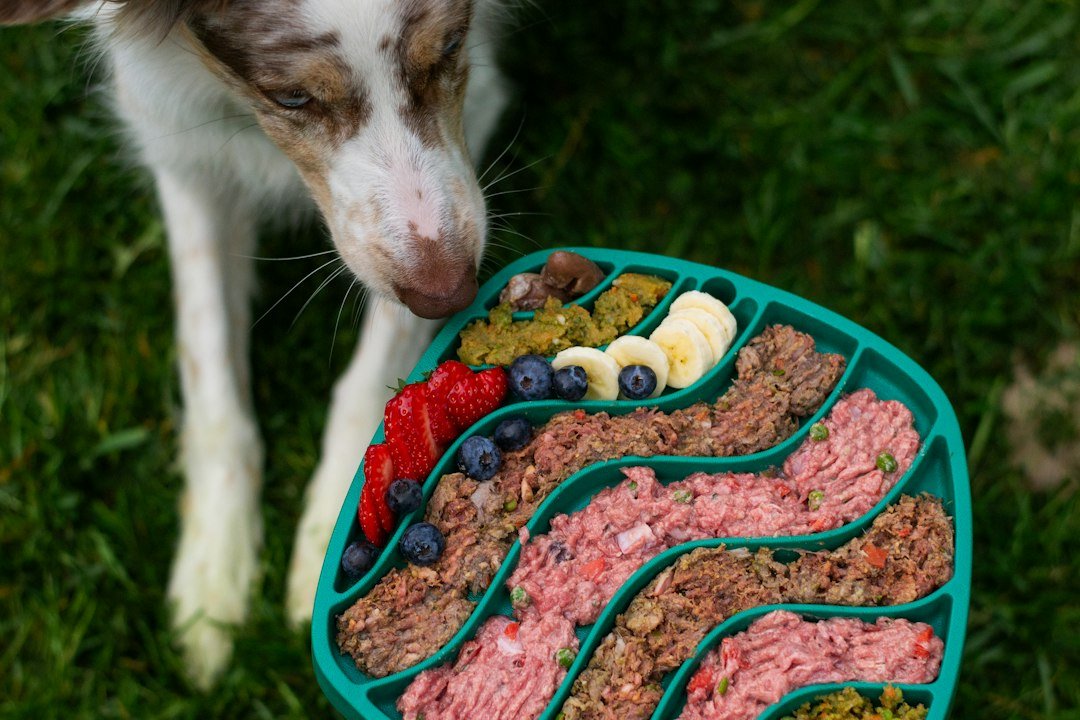
Cold weather can change energy needs and drinking habits. Active dogs burning more calories may need modestly increased portions; others may drink less when it’s cold.
- Calories: consult your vet before changing portions; typically increase only for dogs with higher activity in winter or those struggling to maintain weight.
- Water: encourage drinking by offering fresh, room-temperature water and checking bowls often for freezing in unheated areas.
- Routine: shorten outdoor time in extreme cold; add indoor enrichment like play, training sessions, or puzzle feeders to keep activity levels up.
Recognize and respond to cold-related distress
Watch for early signs of trouble: shivering, whining, slowed movements, seeking warmth, pale or bluish gums, or reluctance to move. In severe exposure, dogs can show confusion, collapse or shallow breathing—these are emergencies.
- First aid: bring the dog indoors, dry them, wrap in blankets and offer warm (not hot) fluids if alert. Avoid rapid rewarming like hot baths for hypothermia—warm gradually and get veterinary care.
- When to call the vet: if shivering persists, limbs are cold, or the dog shows behavioral changes, contact your vet right away.
Special cases: puppies, seniors and medical conditions
Puppies and seniors have narrower comfort zones and recover more slowly from cold. Dogs with heart, respiratory, or endocrine problems (like hypothyroidism) are more vulnerable.
- Puppies: supervise closely, keep outings very short, and warm bedding is essential.
- Seniors: add non-slip rugs to help movement, provide easy access to warm resting spots, and consider a vet check if mobility decreases in cold weather.
- Medicated or recovering dogs: follow vet instructions about activity and warmth; some medications affect circulation or thermoregulation.
Buying guide: how to pick winter gear that lasts
Focus on fit, fabric and ease of cleaning. Breathable, water-resistant outer layers with insulating linings and reinforced closures are a practical combination.
- Try before extended use: let your dog wear new gear indoors for short periods to check fit and tolerance.
- Maintenance: choose machine-washable materials when possible; check Velcro and zippers for clogs from dirt and salt.
- Multi-season use: a shell with removable liner extends usefulness from wet, cool days into deep cold.
One quick plan you can follow this week
- Assess family dogs and mark high-risk members.
- Buy or fit a coat and paw balm/boots for those dogs; practice indoors.
- Create a warm bed area away from drafts and add a blanket or insulated pad.
- Shorten outdoor time during the coldest days and add indoor enrichment sessions.
- Check paws after every outing and keep water bowls fresh and unfrozen.
- Identify which dogs need coats or limited outdoor time.
- Fit a winter coat and test boots or paw balm indoors first.
- Create a warm, draft-free sleep zone with extra bedding.
- Keep fresh water accessible and check bowls for freezing.
- Shorten walks on very cold days; plan indoor activities instead.
Match protection to your dog’s individual risk: use coats and boots when needed, shorten or adapt outdoor time, and make the home a reliably warmer, safer space. Focus first on preventing exposure and caring for paws; consult a vet for any concerning signs.
How cold is too cold for dogs?
There’s no single temperature—use breed, size, coat and health to decide. Small, short-haired, elderly, or ill dogs can be at risk near freezing; adjust earlier for those groups.
Do dogs need sweaters indoors?
Only if your home is cool and your dog is short-coated, elderly or underweight; generally provide a sweater or extra bedding rather than raising the whole house temperature.
Are dog boots really necessary?
Boots protect paws from ice, salt and cold; use them when surfaces are icy or treated with de-icer, and introduce them gradually so your dog accepts them.
How do I prevent paw salt burns?
Wipe paws after walks, rinse if necessary, and apply a pet-safe balm as a barrier; consider boots on heavily treated sidewalks.
When should I see a vet for cold exposure?
If your dog shivers continuously, seems disoriented, has pale or bluish gums, or shows extreme lethargy, seek veterinary care immediately.