Wishlist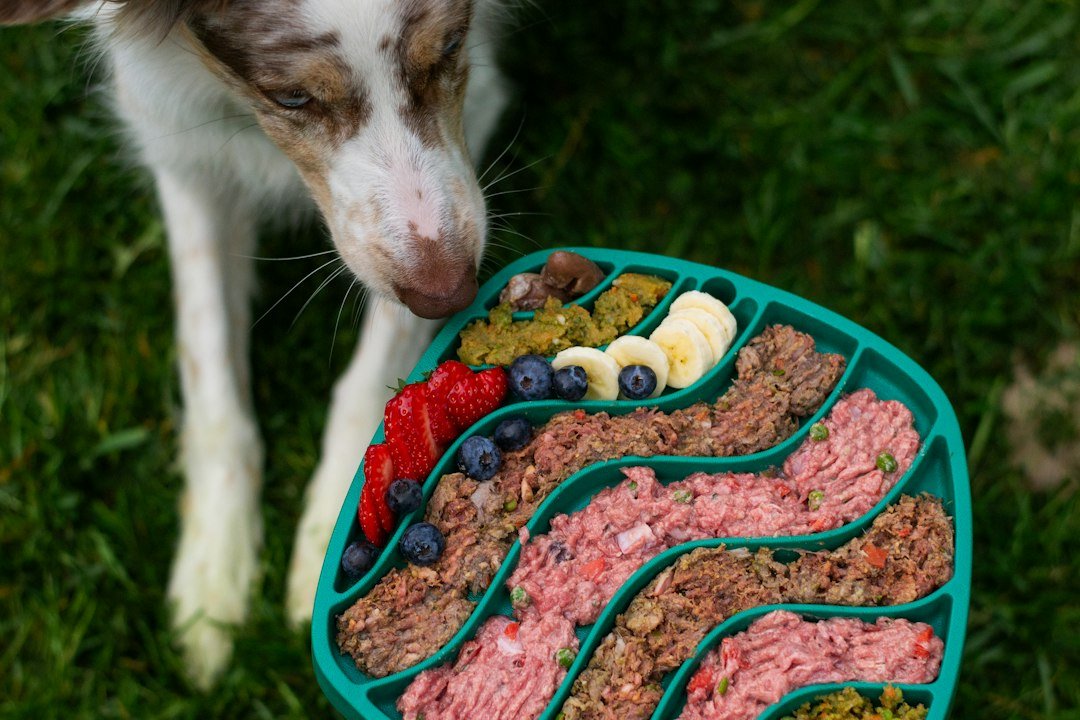
Seven clear signs your dog needs more mental stimulation — and what to do about each
Dogs don't just get tired from running; they get tired from thinking. When a dog lacks mental stimulation the results range from mild fussing to destructive or anxious behavior. If you suspect your dog needs more mental exercise, look for these seven signs and use the targeted fixes below.
1. Repeated destructive chewing or digging
If your dog chews furniture, shoes or digs in the yard when you’re not watching, that’s often boredom or an unmet activity drive rather than pure naughtiness. Destructive actions are physical but driven by the need to use attention and problem-solving resources.
Fixes: rotate chew-safe toys and give puzzle toys that release treats; add supervised digging areas in the yard; increase daily structured play that requires focus (fetch with recall drills, scent-based games).
2. Excessive barking, whining or attention-seeking
Persistent vocalizing—especially when it comes with pacing or following you constantly—can signal mental under-stimulation. The dog is advertising “I need something to do.”
Fixes: teach an “engaged” cue (reward quiet attention), implement short daily training sessions (5–10 minutes, 2–3 times a day), and use food-dispensing toys during likely trigger times.
3. Short attention span for training
A dog that loses interest after one or two repetitions is often not physically lazy but mentally unchallenged. Dogs with underused problem-solving skills get bored faster.
Fixes: break sessions into tiny wins—two-minute focused drills with high-value rewards—then switch activity type (sit/shape trick/targeting). Increase cognitive challenge gradually: clicker work, scent discrimination, or teaching multi-step tricks.
4. Restless pacing or inability to settle
Some dogs pace, circle, or have trouble settling on the couch. That restless energy is a cue that their brain hasn’t been given engaging work during the day.
Fixes: add a predictable mental routine—morning sniff-walk, mid-day interactive toy, evening calming puzzle. Scent work is especially effective: scatter treats in a snuffle mat or hide-and-seek around the house.
5. Overexcitement for simple rewards
When a walk or a treat triggers over-the-top jumping, lunging, or coughing up intense energy, the dog may be craving novelty and challenge, not just calories.
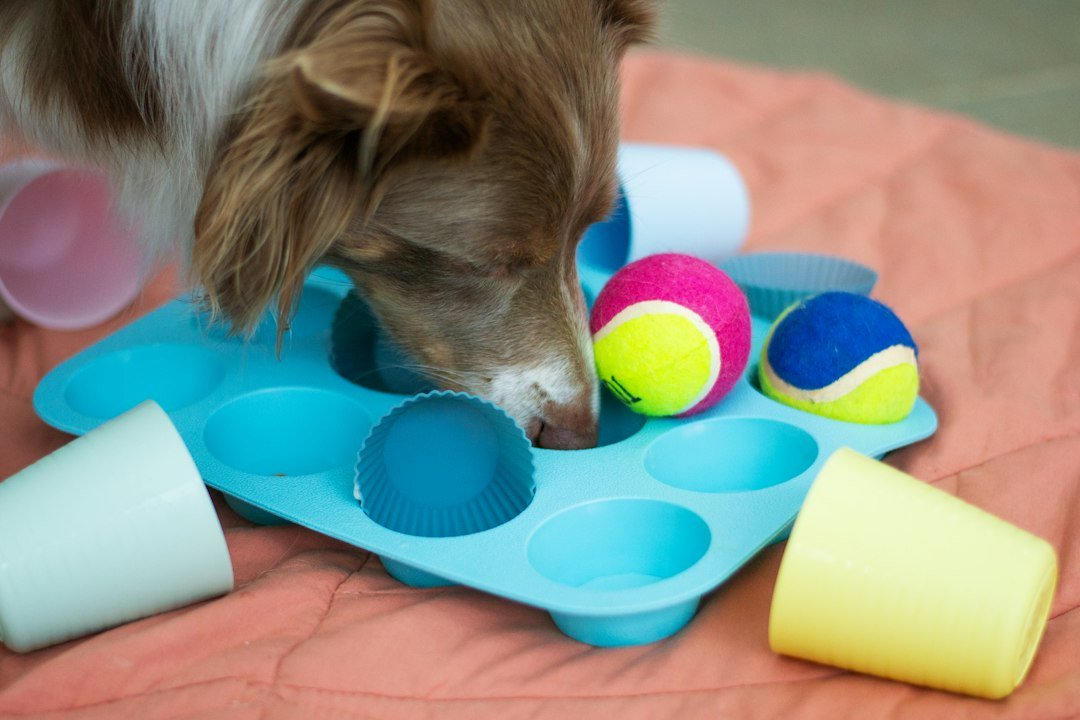
Fixes: make outings more mentally absorbing—try varied routes, allow periodic sniff breaks, or practice on-the-walk obedience games (stop-and-wait, marker-and-reward). Swap plain treats for treat puzzles so rewards take longer to access and require thought.
6. Regressive house manners (accidents, refusing simple cues)
Dogs sometimes regress in potty or obedience when they are understimulated and stressed. This can be especially visible after a routine change or if the dog spends long hours alone.
Fixes: tighten routine temporarily (more frequent walks, scheduled enrichment), re-teach cues in tiny steps with high motivation, and provide safe solo activities while you're out (stuffed toys or a snuffle mat). If regression persists, consult your vet or trainer to rule out medical or anxiety causes.
7. Obsessive behaviors and repeated grooming or licking
Compulsive licking, flank sucking or tail chasing can start as a way to self-entertain. When repetitive actions become frequent, they indicate unmet mental needs and can escalate.
Fixes: significantly increase daily cognitive workload (scent games, training class, interactive toys) and pair enrichment with calm downtime (massage, chew-safe calming toys). If behavior looks compulsive or causes injury, seek veterinary advice promptly.
How to pick enrichment that actually helps (not just more stuff)
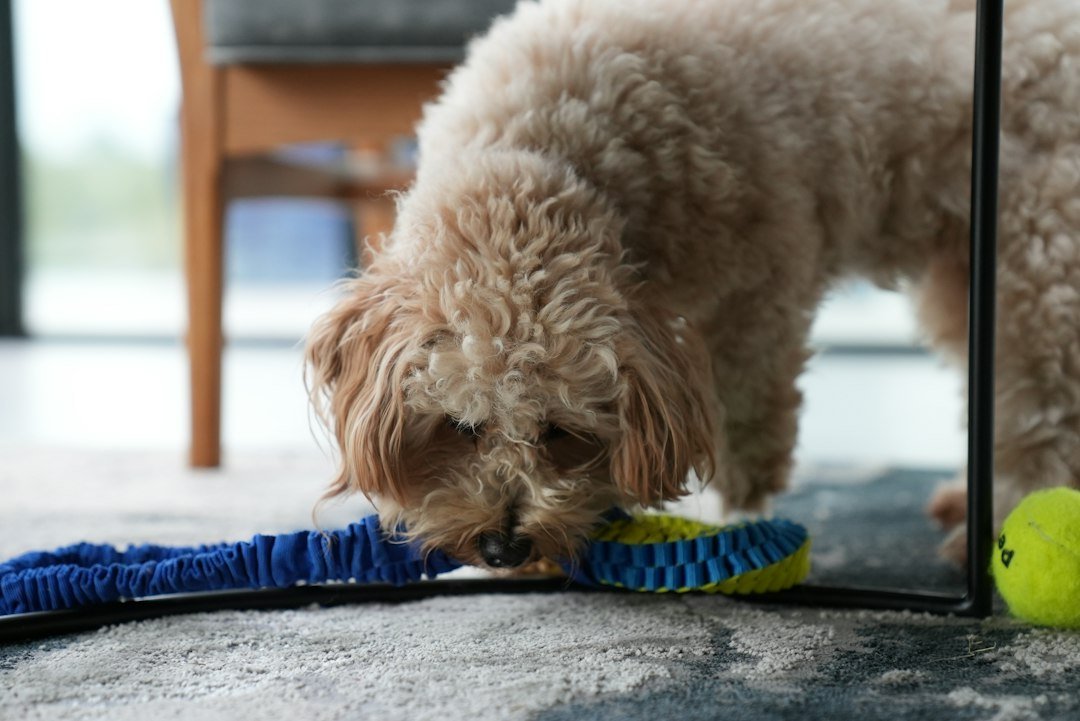
Not all toys equal mental engagement. Choose activities that require the dog to work mentally—searching, problem-solving, memory, or decision-making. Good options include:
- Food-dispensing puzzles and snuffle mats (foraging + scent work)
- Interactive training games that build sequences or chaining behaviors
- Scent discrimination and purposeful hide-and-seek
- Novel environment exploration on walks (different routes, surfaces)
Rotate activities weekly so novelty persists. If a dog loses interest in a toy within minutes, it’s a sign you should swap activities more often or raise the difficulty level.
One product recommendation that helps most dogs quickly
For dogs showing sniff-driven restlessness, a high-quality snuffle mat is a straightforward, low-risk way to add minutes of focused foraging. It taps natural instincts and can be used indoors or in a crate to calm and occupy.
How much mental work does my dog need?
Every dog differs. Breed, age, and past training matter: working breeds usually need more challenge; seniors benefit from gentle, puzzle-based stimulation. A practical starting point is two short mental sessions daily (5–15 minutes each) plus one longer enrichment period (20–30 minutes) or an extended sniff walk. Increase or change activities if the signs above return.
When to involve a professional
If behaviors are severe—sustained destructive outbreaks, self-injury from compulsive actions, or sudden regression—check health first with your veterinarian. A certified trainer or animal behaviorist can design a structured enrichment plan and rule out anxiety-driven causes that need specialized intervention.
- Identify the main sign you observe (chewing, barking, pacing).
- Add at least one scent-based activity daily (snuffle mat, hide treats).
- Schedule two short training sessions and one longer enrichment period each day.
- Rotate three different toys or puzzles weekly to maintain novelty.
- Make walks variable: new routes, sniff breaks, and obedience games.
- Seek vet or trainer help for compulsive or regressive behaviors.
Look for the single change in your dog’s routine—chewing, vocalizing, pacing—and respond with targeted mental work rather than more physical exercise alone. Simple tools like snuffle mats and short focused training sessions usually reduce unwanted behaviors and improve calmness.
Can mental stimulation replace physical exercise?
No—both matter. Mental work tires the brain and helps reduce boredom-driven behaviors, but dogs still need physical activity appropriate to their age and breed.
My dog ignores puzzle toys—what next?
Start easier: smear a high-value treat on the puzzle, make the reward obvious, then gradually increase difficulty. Some dogs need a human to model interaction first.
Are snuffle mats safe for unsupervised use?
Many are safe for short unsupervised sessions, but check product construction for loose pieces and supervise until you trust the mat and your dog’s behaviour.
How quickly should I see improvement?
Small changes (less whining, better focus) often appear within days; more entrenched behaviors can take weeks with consistent enrichment and routine adjustments.
What if enrichment increases my dog’s anxiety?
If a new activity clearly stresses your dog (avoidance, panting, freezing), stop and try gentler options; consult a trainer or vet for guided reintroduction.