
 Wishlist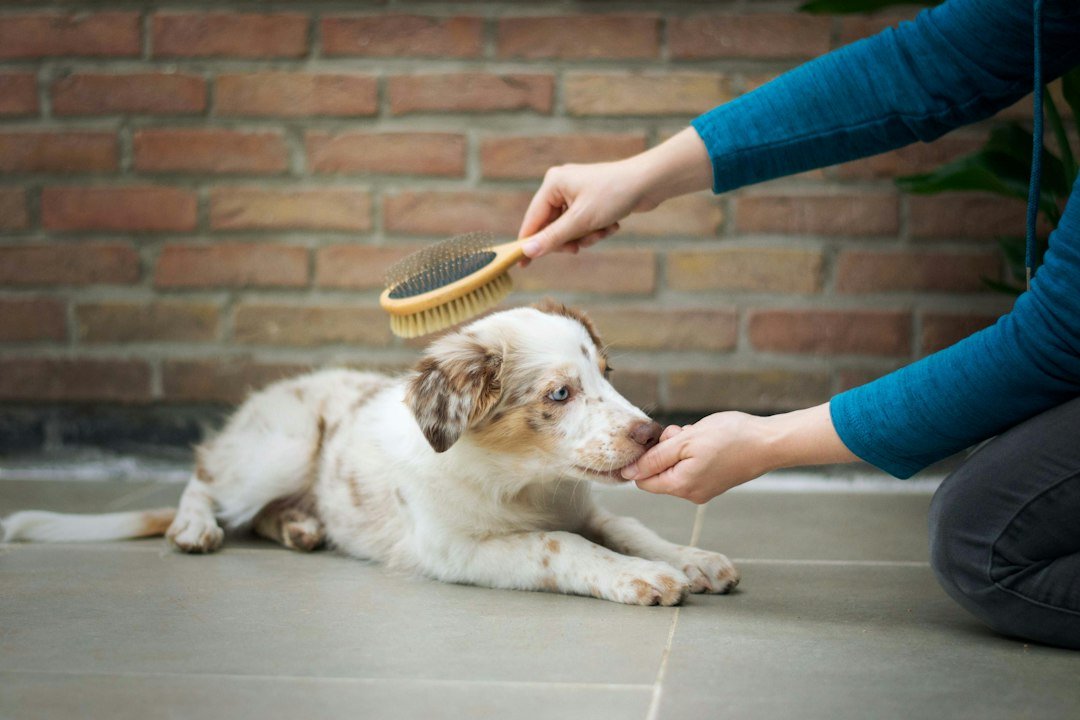
What matters — and what you can safely ignore
Focus on errors that affect health, safety and behavior: feeding too much or the wrong way, poor dental care, inappropriate exercise, unsafe gear and grooming mistakes. Minor style choices (coat length, cute clothing) are mostly personal preference unless they cause discomfort. This article addresses 12 common small dog care mistakes and practical fixes you can implement today.
1. Treating a small dog like a tiny large dog
Problem: Owners assume the same portions, training methods and equipment fit all dogs. Why it matters: Small breeds have faster metabolisms, delicate bones and specific behavior patterns; a one-size-fits-all approach causes obesity, stress and injury.
Better approach: Use breed-appropriate portion sizes and training rewards scaled to size. Prioritize high-quality, nutrient-dense food and short, frequent training sessions that respect attention span.
2. Overfeeding and free-feeding
Problem: Leaving food out or offering too many treats. Why it matters: Small dogs quickly become overweight; excess weight compounds dental, joint and heart problems.
Better approach: Measure meals with a kitchen scale or measuring cup, split daily calories into 2–3 meals, and limit treats to no more than 10% of daily calories. If weight creeps up, reduce portions gradually and reassess treats.
3. Ignoring dental care
Problem: Skipping brushing because small mouths are “cute” or owners think dental issues are inevitable.

Why it matters: Small breeds are at higher risk for plaque, periodontal disease and early tooth loss, which can cause pain and systemic infection.
Better approach: Start a short daily routine—2–3 times weekly brushing is a practical minimum. Use pet toothpaste and a small brush. For extra help, use dental chews or an enzymatic toothpaste kit.
Tip: If your dog resists, begin with finger rubs of toothpaste, then a soft brush for 30–60 seconds.
4. Using the wrong collar or harness
Problem: Choosing heavy, ill-fitting or flat collars for dogs that pull or have fragile necks.
Why it matters: Neck injuries and tracheal collapse are more common in small breeds if forced to pull against collars.
Better approach: Fit a properly sized harness that distributes pressure across the chest for walks. Check fit by ensuring two fingers slide under straps. For shows or identification, use a lightweight collar for tags only.
5. Skipping crate training or using the wrong crate size
Problem: Either confining a dog to an oversized crate that removes the den benefit, or using a crate too small to stand and turn.
Why it matters: A proper crate becomes a safe place for rest and reduces anxiety during travel or vet visits.
Better approach: Choose a crate that lets the dog stand, turn and lie down comfortably; add a washable small-dog bed. Introduce the crate positively with treats and short sessions.
6. Neglecting socialization and basic manners
Problem: Thinking small dogs don’t need the same social exposure as larger breeds.

Why it matters: Under-socialized small dogs can become reactive, fearful or yappy in situations where control is harder because of their size.
Better approach: Use controlled introductions to people, other dogs and environments between about 7–16 weeks and reinforce good behavior with gentle, consistent training.
7. Overlooking mental enrichment
Problem: Assuming short walks are enough. Why it matters: Boredom leads to nuisance behaviors—chewing, barking or pacing—even in low-exercise breeds.
Better approach: Add puzzle toys, short scent games and training drills to daily life. A short 10–15 minute snuffle or puzzle session can tire them mentally as much as a walk.
8. Poor grooming and coat management
Problem: Irregular brushing, missed matting or using grooming tools meant for larger breeds.
Why it matters: Mats pull at the skin, trap moisture and invite infection; inappropriate tools can miss tangles or irritate the skin.
Better approach: Adopt a routine based on coat type—daily brushing for long coats, weekly for short. Use small, soft brushes sized for small faces and bodies, and get professional trims for complex coats.
9. Not preventing choking and swallowing hazards
Problem: Giving inappropriate toys or human food bits that are easy to swallow whole.
Why it matters: Small dogs can choke on toys or large treats; gastrointestinal obstruction is a real risk.
Better approach: Choose toys sized for the dog (not “one-size-fits-all”), supervise chewing, and avoid rawhide or hard treats that can break into sharp pieces.
10. Skipping weight-bearing and joint-strength exercises
Problem: Too little structured movement and too many jumps from furniture.
Why it matters: Weak muscles and repeated high-impact landings increase risk of ligament injuries and arthritis later in life.
Better approach: Encourage low-impact exercises—short walks, stair training under control, and safe play. Use steps or ramps to prevent repeated jumping from high places.
11. Traveling without small-dog-specific safety gear
Problem: Using adult-sized crates, seatbelts, or not securing the dog at all.
Why it matters: In a collision or sudden stop, a small unrestrained dog can be thrown or escape, risking injury or getting lost.
Better approach: Use a properly sized travel crate or crash-tested carrier, secure harnesses designed for small dogs, and acclimate the dog to the carrier before long trips. For more travel guidance, see our guide to traveling safely with a small dog.
12. Delaying veterinary care until problems are obvious
Problem: Waiting for obvious signs rather than scheduling preventive exams and vaccinations.
Why it matters: Small dogs often mask pain; dental disease, lumps or early joint pain are easier to treat when caught early.
Better approach: Schedule annual wellness checks, dental cleanings as recommended, and bring up any subtle changes in appetite, energy or bathroom habits with your vet promptly.
Small dogs often need shorter, more frequent dental sessions; patience and positive reinforcement matter more than perfection.
- Weigh your dog and compare to breed/age target weight.
- Confirm harness fits and collar is lightweight for tags only.
- Inspect teeth for heavy tartar or bad breath and start brushing if needed.
- Choose toys sized for your dog's mouth and supervise new chews.
- Plan two types of enrichment: one physical (walk) and one mental (puzzle) daily.
Small dogs thrive with proportionate care: measured feeding, daily dental attention, correct gear and consistent enrichment. Fixing these common errors reduces long-term health risks and improves daily life for both of you.
How much should I feed my small dog each day?
Feed by weight and activity level using manufacturer guidelines as a starting point; split calories into 2–3 meals and adjust if your dog gains or loses weight.
Can small dogs skip tooth brushing?
No—regular brushing or enzymatic dental products significantly reduce plaque and periodontal disease risk; aim for several short sessions per week.
Is a harness always better than a collar?
For walking and preventing neck strain, a chest-style harness is safer for most small dogs, especially those that pull or have fragile tracheas.
What toys are safest for small breeds?
Choose toys clearly labeled for small dogs, avoid tiny parts that can be swallowed, and replace toys showing wear or sharp edges.
How do I stop my small dog from jumping off furniture?
Teach alternative behaviors (wait at the edge, use ramps), reinforce with treats, and make furniture access conditional rather than automatic.






