Wishlist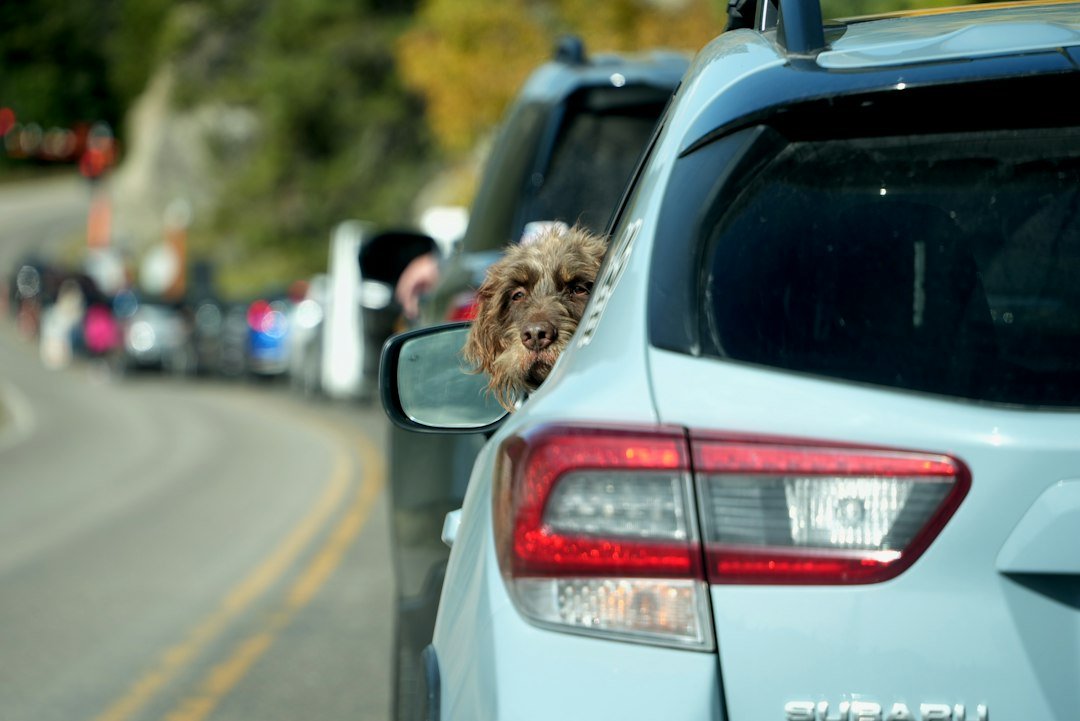
Get to your destination with a calm, safe dog — here’s the straightforward plan
Traveling safely with a small dog starts with reducing risk and stress before you leave: choose the right carrier or restraint, bring water and familiar items, prepare paperwork, and plan travel cadence (stops, feeding, medication). Follow the checklist below as you pack and then use the travel-day routine to keep your dog secure and comfortable.
Choose the right containment: carrier, crate or harness for the trip
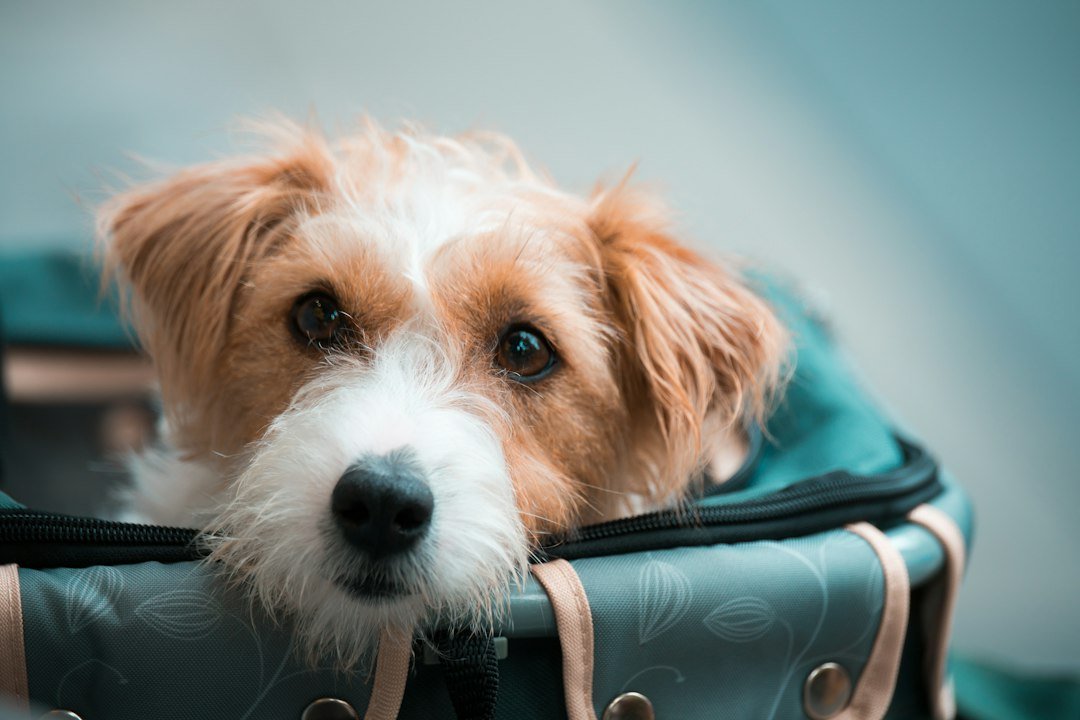
Pick containment that matches how you’re traveling. For cars, a crash-tested car harness or a secured crate is safest; for flights and many trains, an airline-approved carrier is required. A soft-sided carrier works well for short trips and as an under-seat airline option, but for long car rides a sturdy crate or a harness that attaches to the seatbelt provides better protection.
- Measure your dog: height sitting and standing, and length from nose to tail base. The dog must be able to stand, turn, and lie down comfortably in a carrier or crate.
- Check specifications: airlines list exact dimensions for under-seat carriers and whether soft-sided models are allowed. For cars, look for a harness tested for crash safety or a crate that can be secured with a seatbelt.
- Think ventilation and visibility: breathable mesh for carriers, solid walls for crates when your dog is anxious (reduces visual stimulation).
Prepare your dog before departure
Start practice sessions at least two weeks before travel whenever possible. Familiarity reduces fear and makes restraint acceptance easier.
- Carrier familiarization: feed meals inside the carrier, leave the door open at home, add a small treat trail that leads in and out. Build to closing the door for short periods.
- Short drives: do several 10–20 minute drives with calm rewards to reduce motion sickness and associate travel with positive experiences.
- Crate training (if using): make the crate a safe, predictable space with a cover, bedding, and a chew-safe toy.
Packing: paperwork, meds, and comfort items
Bring documents and comfort gear that directly reduce risk and make care straightforward.
- Paperwork folder: vaccination records, recent vet contact info, and any required health certificates for air travel. Keep copies digitally too.
- Medication plan: bring extra doses in original containers and a small schedule of when to give them. For motion sickness, consult your vet well before travel.
- Comfort items: one small blanket or shirt with home scent, a favorite toy, and replaceable absorbent pads for carriers.
- Feeding supplies: small portions of familiar food, a collapsible bowl, and an on-the-go water bottle.
Hydration and feeding strategy on the road
Keep your small dog hydrated without overfeeding immediately before travel.
- Hydration frequency: offer small amounts of water every 1–2 hours during active travel. Use a portable dog water bottle with an attached bowl for quick access.
- Feeding schedule: avoid a full meal within two hours of departure to reduce vomiting risk; offer a light snack if needed. For long trips, feed small meals during longer rest stops.
- Choose slow-feeding bowls or non-slip bowls for pit stops to prevent gulping and discomfort.
Car safety and driver responsibilities
Secure your dog before you drive and plan the route to minimize stress and hazards.
- Placement: small dogs restrained in the back seat reduce injury risk from airbags. Never hold a dog on your lap while driving.
- Restraints: clip a crash-rated harness into the seatbelt or fasten a travel crate so it won’t slide. If using a carrier on the seat, loop the seatbelt through the carrier’s base per the manufacturer instructions.
- Ventilation: keep the car comfortable — not too hot or cold. Never leave a dog unattended in a parked vehicle.
- Driver focus: schedule frequent rest stops and avoid rushing; a relaxed driver equals a calmer dog.
Airline and public-transit rules you’ll need to follow
Confirm rules well in advance — each carrier and transit system has different limits for size, kennel type, and documentation.
- Book early: airlines often limit the number of pets in-cabin and require a reservation for a carrier under the seat.
- Carrier proof: have your carrier’s dimensions and any airline approval documentation ready. Soft-sided carriers must compress slightly to fit under the seat but still allow your dog to sit up.
- Gate checks: be prepared to gate-check a carrier for larger small-dog breeds; attach clear name and contact information to the carrier.
Calming your small dog without risky interventions
Use benign, proven approaches to lower anxiety rather than sedatives unless directed by your vet.
- Behavioral tools: an anxiety wrap or snug bandana can help many dogs. Counterconditioning (treats and relaxed praise) works better than punishment.
- Natural aids: pheromone sprays or collars and veterinarian-recommended supplements can be helpful; test at home first for reactions and effectiveness.
- Medication: if your vet prescribes a sedative or anti-anxiety medication, do a trial run during a local outing to assess timing and side effects.
What to do when things go wrong: troubleshooting common problems
Quick fixes keep trips moving: motion sickness, refusal to enter a carrier, or unexpected weather.
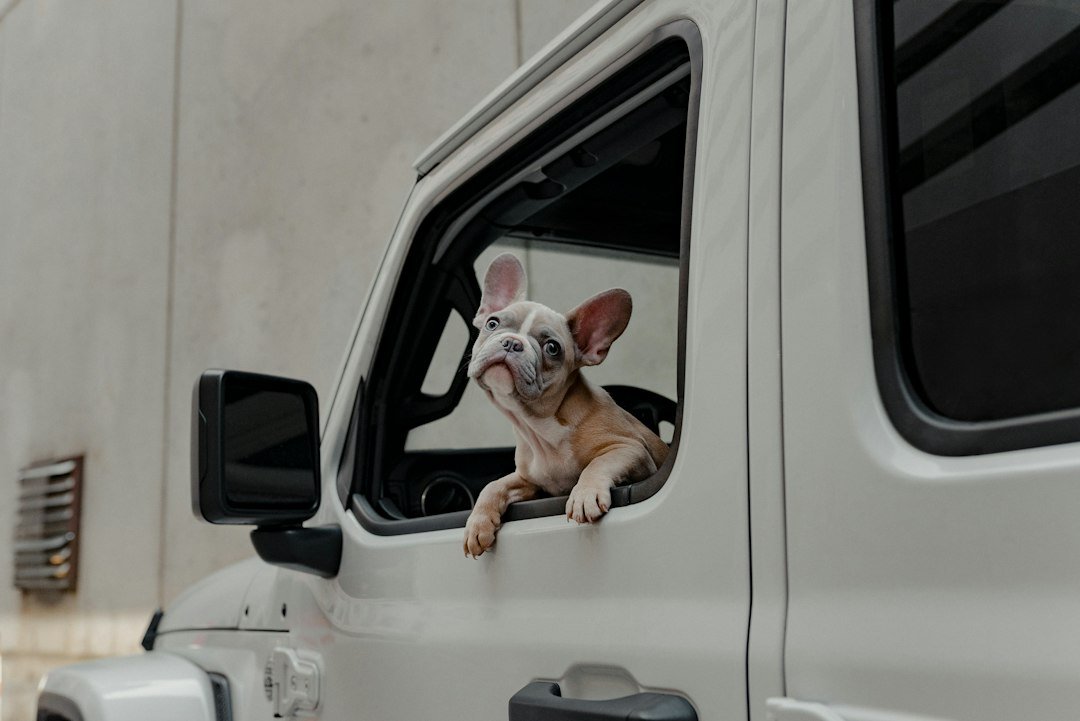
- Motion sickness: stop, offer water, and take a short walk. If vomiting is recurrent, your vet can prescribe antiemetics for future trips.
- Carrier refusal at the gate: give a small high-value treat, lower stress by placing the carrier on the floor and stepping away briefly. Do not force the dog in.
- Heat or cold exposure: find immediate shade and water in heat; use insulated pads and blankets in cold. If your dog shows signs of heatstroke or hypothermia, seek veterinary help immediately.
Recommended travel gear
If you’re choosing one practical product to simplify city walks and park stops, a portable water bottle for quick drinking and a compact carrier for short rides are the highest-utility items. For repeated travel where comfort and convenience matter, a small pet stroller makes long walks and crowded areas easier.
Quick checklist before you head out
Make these checks within one hour of leaving:
- Carrier/crate and harness are secure and measured correctly.
- Water bottle filled; food packed for scheduled feedings.
- Paperwork and medication are accessible in the car or carry bag.
- Dog wears ID tag and microchip details are up-to-date.
- Confirm carrier dimensions and airline rules if flying.
- Pack an extra leash, collapsible bowl, and absorbent pad.
- Test any calming aids at home before use on the trip.
- Plan rest stops every 1.5–2 hours for dogs on long drives.
Traveling safely with a small dog is mostly about preparation: right containment, hydration, paperwork, and gradual familiarization. Invest in one or two quality travel items and plan stops — those steps cut risk and anxiety for both of you.
Can I give my small dog a sedative for travel?
Only with veterinary approval. Try a vet-recommended trial dose during a short outing first to check side effects and timing.
How often should I stop on a long car trip?
Plan rest stops every 1.5–2 hours for water and a short walk; adjust based on your dog’s age, health and comfort level.
Is a soft-sided carrier safe for car travel?
Soft carriers are fine for short trips when secured properly, but a crate or crash-tested harness provides better protection in a crash.
What documentation do airlines require for small dogs?
Most require up-to-date vaccination records and, for some routes, a recent health certificate. Check your airline’s pet policy well in advance.
How do I keep my dog hydrated without spills in the car?
Use a portable dog water bottle with a spill-resistant bowl and offer small amounts frequently rather than large bowls that slosh.