Wishlist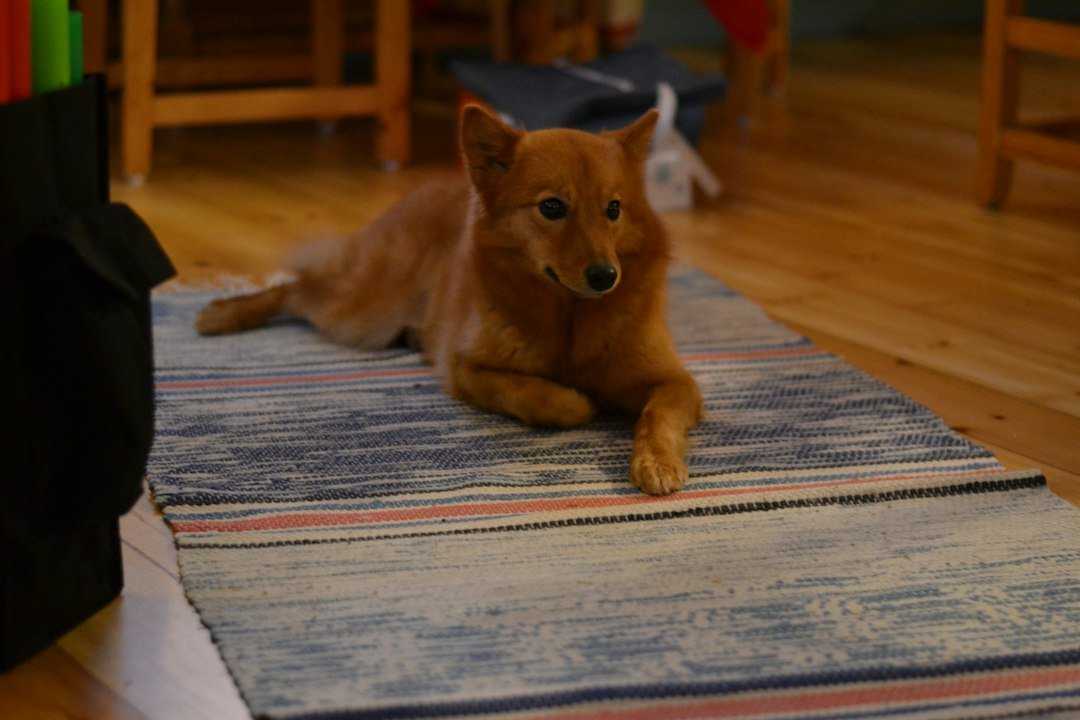
When a tiny paw slips across a hardwood floor
Imagine your small dog launching after a toy across polished wood, then misstepping and skidding mid-stride. Or picture them squeezing under a couch and coming back with a swallowed sock. Those ordinary moments are where most accidents start. Making your home safer for small dogs means reducing everyday hazards—often with inexpensive fixes and a few smart habits.
1. Make floors grip-friendly
Small breeds are especially prone to slips because of short legs and delicate joints. Add non-slip rugs in high-traffic zones (hallways, the kitchen entrance, beside the bed) and use latex rug pads so runners won’t slide. If you have stairs, install carpet treads or a runner that’s tightly secured; a short ramp over one or two steps can also help older or arthritic dogs.
2. Control room access with low gates
Block off rooms that are risky—kitchens during cooking, rooms with heavy curtains, or balconies—using low pet gates. Small dogs need gates with slats close enough together so they can’t squeeze through or get a paw stuck. For very curious puppies, consider a playpen when you can’t supervise.
3. Secure cords, small objects and tempting debris
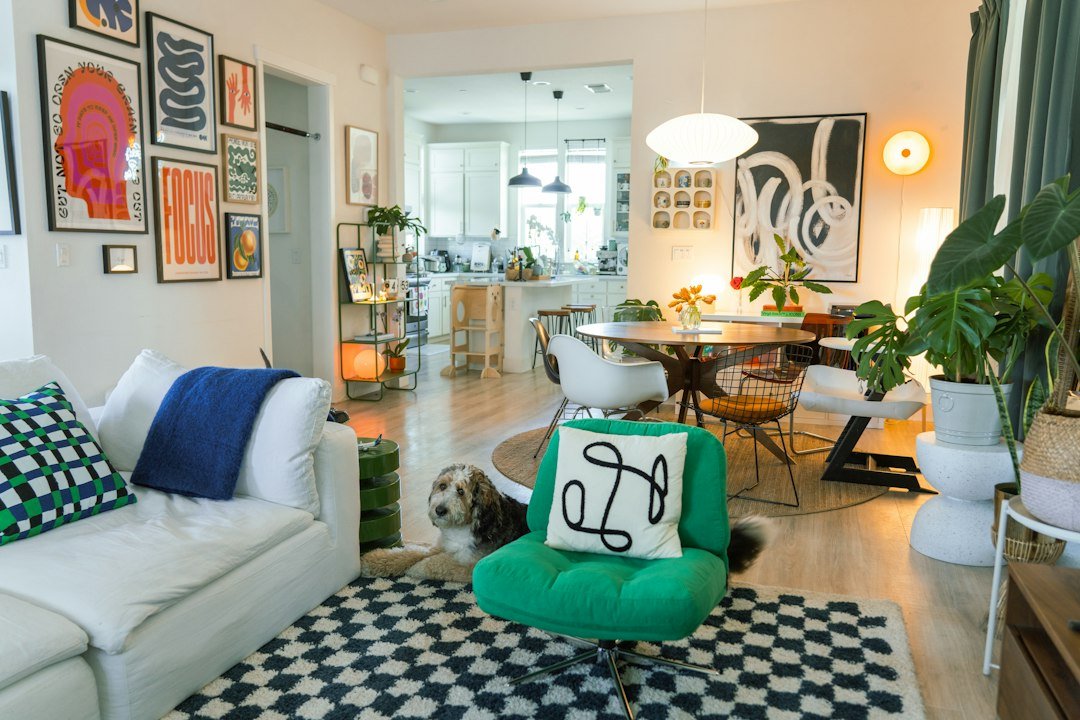
Electronics, charger cords, rubber bands, children’s toys and even loose jewelry are swallowing and chewing hazards. Route cords behind furniture or use spiral cord covers, and keep small items off low tables. Sweep and vacuum regularly—small bits that don’t bother you can be dangerous for a dog the size of a loaf of bread.
4. Pick pet-safe plants and lock cabinets
Certain common houseplants—philodendron, pothos, lilies—are toxic. Either remove toxic plants or place them out of reach. Install childproof latches on lower cabinets that store cleaning supplies, human medications or foods that are toxic to dogs (chocolate, xylitol, grapes, certain nuts). A simple magnetic or adhesive cabinet lock can prevent a fast-sniffing dog from opening doors entirely.
5. Rework feeding and water areas
Choose a stable, shallow bowl for water so small dogs don’t tip it and slip on spilled liquid. If your dog gulps quickly, a shallow slow-feeder bowl reduces choking risk and bloat. Place mats under bowls to catch splashes and protect floors from moisture damage. Elevated bowls can help some breeds with breathing issues, but for many small dogs they can increase the risk of vomiting—observe how your dog eats and adjust.
6. Create a safe sleep zone
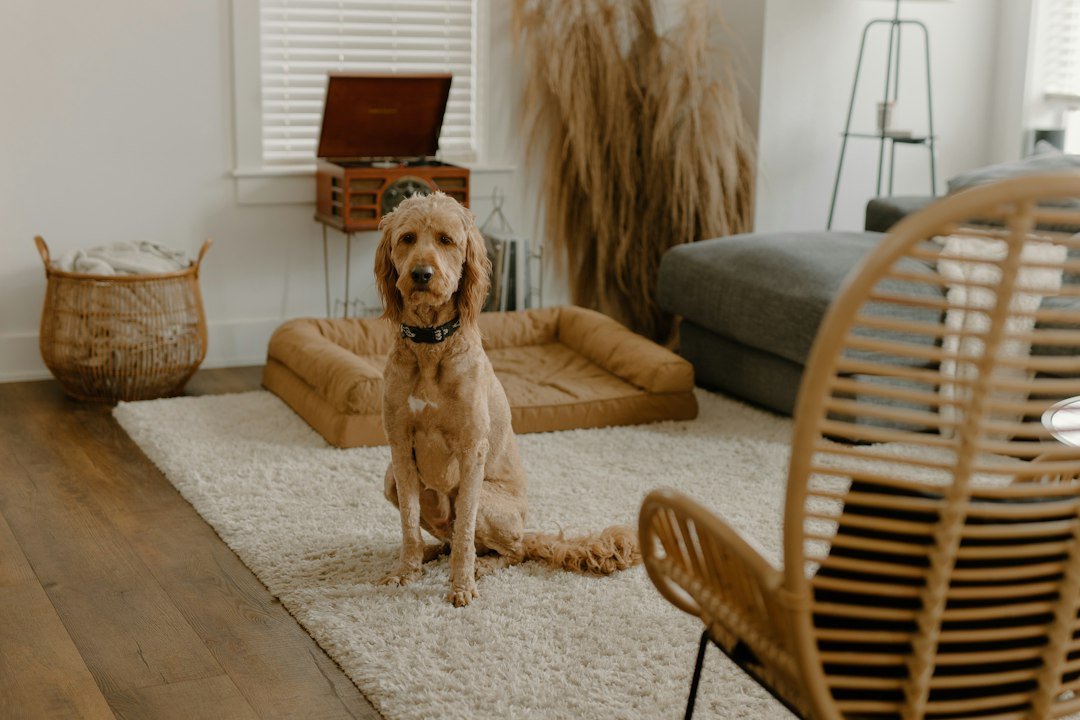
Provide a cozy bed tucked away from drafts and high foot traffic. A crate with soft bedding offers a retreat and, when introduced positively, is also a safety measure—especially during unpredictable guests or when you’re away. Choose a small-dog crate sized so they can stand, turn and lie down comfortably. If you use a heated bed, ensure it has an automatic thermostat and chew-resistant cord or place it inside the crate.
7. Watch window and balcony access
Small dogs can squeeze through narrow gaps or jump up on low balcony rails. Install secure screens or a pet-safe balcony barrier, and keep chairs or planters away from railings to prevent climbing. For windows, use stops or guards so they don’t open wide enough for a dog to fall through.
8. Reduce fall and crush risks around furniture
Small dogs can get trapped under reclining chairs or between cushions. Block off dangerous spaces with furniture stops or reposition pieces so there aren’t tight gaps. For sofas and beds with high sides, add a low ramp or step so your dog can safely get up and down without risking a fall and joint injury.
9. Keep a toxin list and emergency plan handy
Post a short list of household toxins and emergency steps where you’ll find it—on the fridge or in your phone. Include your vet’s phone, an after-hours clinic, and the number for animal poison control. Keep hydrogen peroxide and a pet-safe first-aid kit on hand only when you know how to use them; when in doubt, call poison control before trying home remedies.
10. Train for safety, not just manners
Teach "leave it," "wait" at thresholds, and a reliable recall. Small dogs can dart into dangerous situations quickly; solid impulse-control cues reduce that risk. Use short, frequent training sessions with high-value treats and practice in simulated hazards—doorways, near stairs, or by recently placed household objects—so the behavior holds up when it matters.
- Are bowls on non-slip mats and out of the way?
- Have low cabinets been latched and cleaning products secured?
- Are cords tucked away and small objects removed from reachable surfaces?
- Is the crate or safe room set up with bedding and water?
- Are gates closed and balcony doors secured?
Making a home safer for small dogs is mostly about anticipating how their size changes everyday risks and addressing those spots first—floors, access points, small items and toxins. Prioritize fixes you can live with daily and layer in training and the right gear for long-term safety.
Do small dogs need crate training for safety?
Crates can provide a safe den and reduce accidents when you can’t supervise, but they must be sized correctly and introduced without fear; never use a crate for punishment.
Which household plants are most dangerous to small dogs?
Lilies, philodendron, pothos and some bulb plants are common toxins; check plant lists and place questionable plants out of reach or replace them.
Are elevated bowls safer for small breeds?
Elevated bowls help some dogs with neck or joint strain, but for many small breeds they can increase vomiting or aspiration risk—monitor your dog’s response and consult a vet if unsure.
What’s the best way to prevent slips on stairs?
Install carpet treads or a non-slip runner and ensure it’s properly anchored; for older dogs, a ramp or gated access may be safer.
How do I child-lock cabinets that aren’t magnetic?
Adhesive strap locks and sliding-bar locks work well on many cabinet types; choose one rated for pets and test it to ensure your dog can’t dislodge it.