Wishlist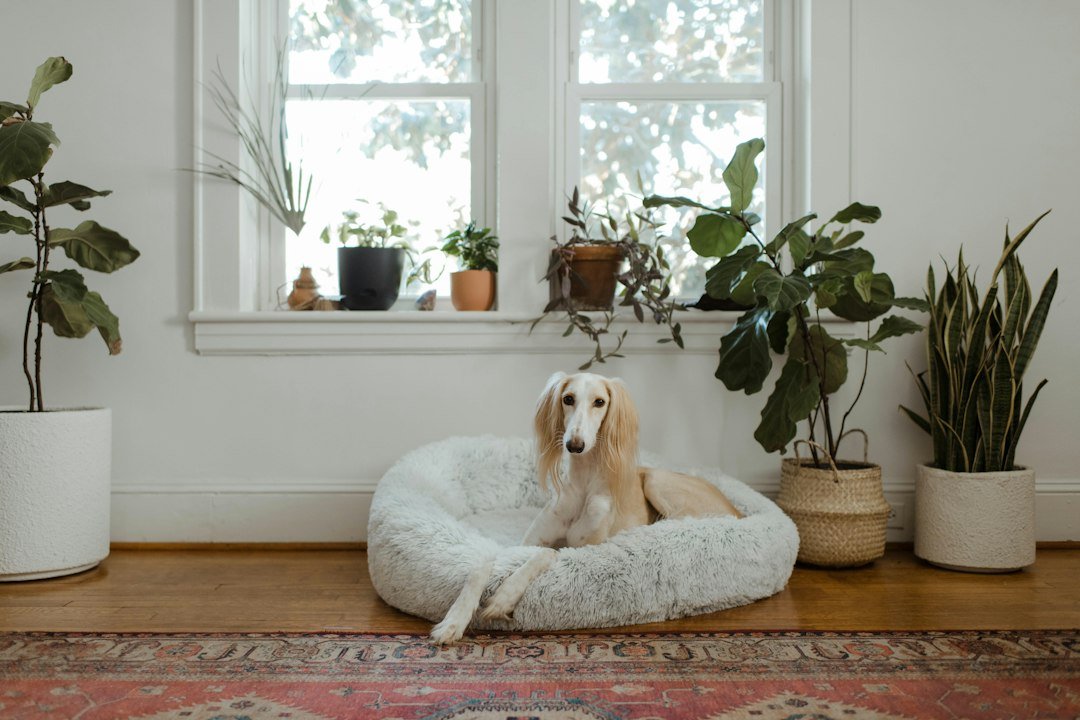
What really matters for small dogs — and what you can safely skip
Small dogs have different comfort, safety and feeding needs than larger breeds. Focus on products that protect fragile bodies, prevent overeating, and manage cold or anxiety; ignore trendy extras that don’t address those core risks. Below are 15 genuinely useful small dog essentials, prioritized so you can buy in the right order.
Quick answer: 15 small dog essentials
- Calming donut or plush bed
- Supportive orthopaedic bed (for older dogs)
- Slow feeder bowl
- Elevated feeding station
- Proper-fitting harness
- Short, lightweight leash
- Indoor safety crate or travel carrier
- Lightweight sweater or pajamas
- Protective booties
- Quality grooming brush
- Dog-safe stain/odor cleaner
- Portable water bottle for walks
- Small-dog life jacket (for boating)
- Calming chew or pheromone product
- Compact stroller or carrier bag
How these items solve the real problems small-dog owners face
Small breeds are prone to joint strain, fragile ribs, rapid eating, cold intolerance and anxiety in crowded situations. Each recommended product maps to one of those problems:
- Comfort: Calming donut beds and orthopaedic options cushion ribs and joints for rest and better sleep.
- Feeding: Slow feeders and raised bowls slow intake and reduce neck strain; good for pugs, dachshunds and fast eaters.
- Mobility & safety: A harness spreads pressure across the chest, and short lightweight leashes give better control without jerking a small neck.
- Weather & travel: Sweaters, booties and life jackets protect in cold, slippery or wet conditions; a stroller or carrier keeps tiny dogs safe in crowds or on long outings.
- Behavior: Calming chews, pheromone diffusers and a small, secure crate help with separation anxiety and noisy environments.
Decision guide: buy now, buy when needed, or skip
Not every household needs every product. Use this quick decision framework:
- Buy now if: your dog is under 10 lbs, elderly, a fast eater, anxious, or you live in cold weather.
- Buy when needed if: you don’t travel often (stroller/carrier), your dog isn’t around water (life jacket), or roofing off-leash play areas (booties).
- Skip if: your small dog naturally tolerates cold, eats slowly, and isn’t anxious; however, keep basics like a bed, harness and leash.
Practical notes on the most important items
Calming donut bed vs orthopaedic bed
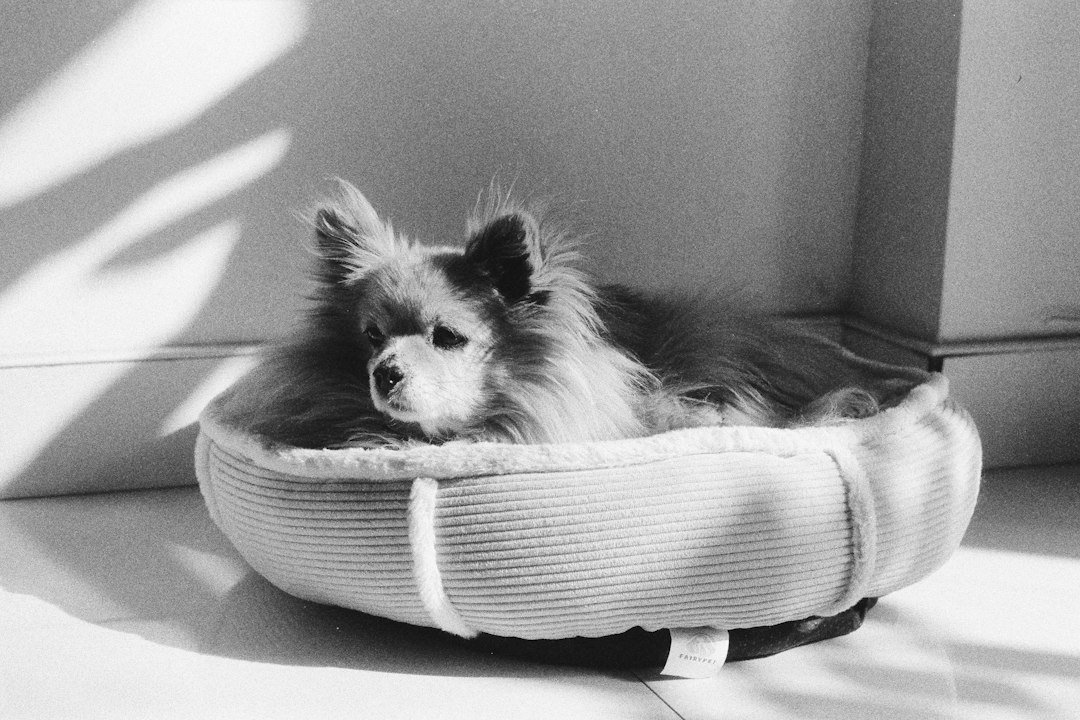
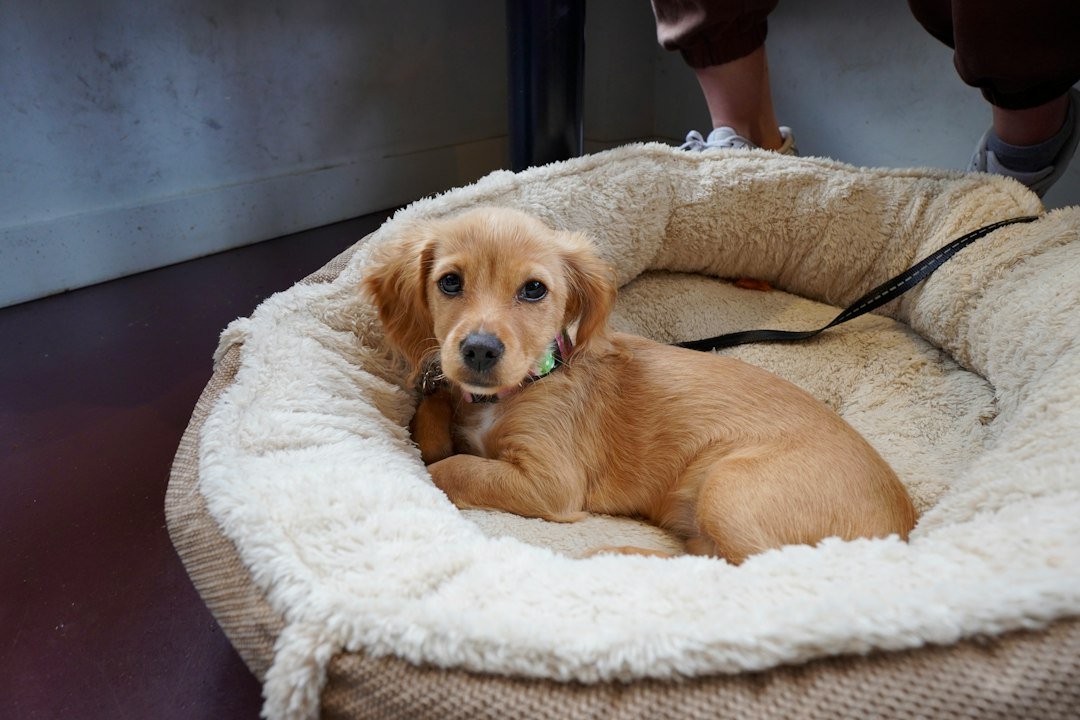
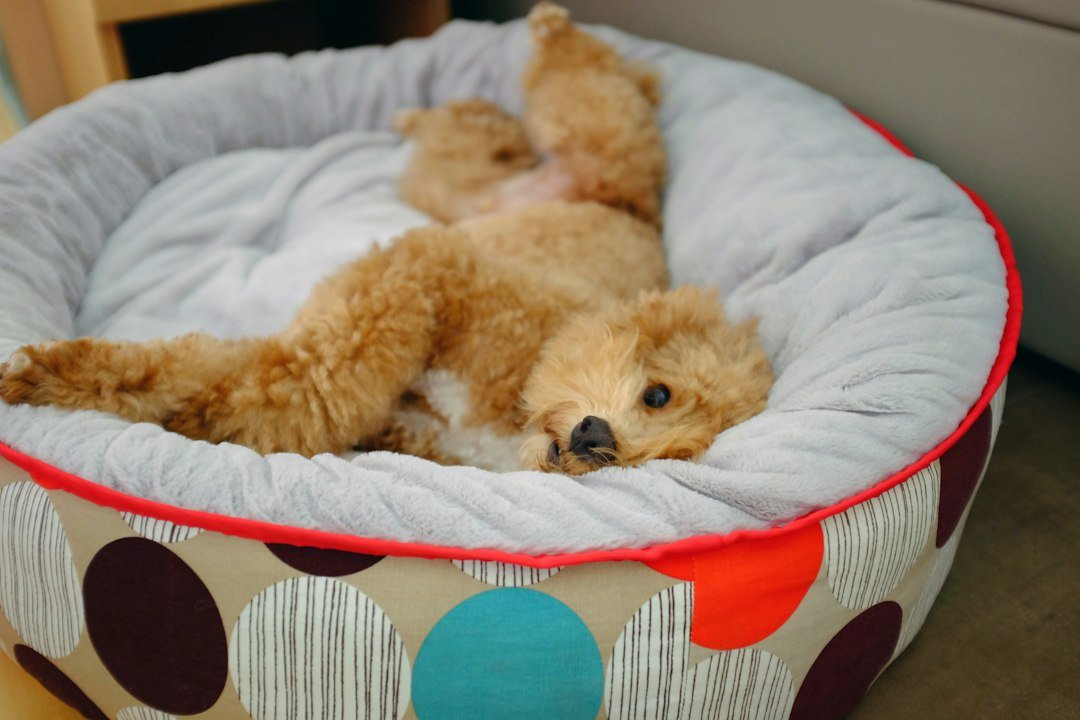
Prefer a calming donut bed for puppies and anxious small dogs: the raised rim gives a sense of security and encourages curling. For senior dogs or those with joint pain, choose an orthopaedic or memory-foam model with supportive edges. Size matters: pick a small-breed size that allows curling without sprawl.
Feeding: slow feeder and elevated options
If your dog inhales food or vomits after meals, a slow feeder bowl is high-value. For breeds prone to neck strain or GERD-like symptoms, an adjustable elevated bowl reduces bending and can improve digestion. Ceramic bowls are heavier and harder to tip; silicone is portable for travel.
Harness and leash: safety over style
A front-clip or no-pull harness is safer than a collar for tiny necks. Look for soft, adjustable straps and secure hardware. Pair it with a short (4–6 foot) lightweight leash to reduce leverage on your dog during sudden pulls.
Crate and carrier: rest, training and travel
Small crates double as a safe den and a training tool. For car travel, use a travel carrier that fits your vehicle’s seatbelt system or a crash-tested car harness. Crate size should let the dog stand, turn and lie down comfortably, not sprawl.
Clothing, booties and seasonal gear
Short-haired and toy breeds often need a sweater in winter. Use snug, breathable garments and confirm mobility before leaving them unattended. Booties protect pads from ice, salt and hot pavement; train your dog gradually to accept them.
Grooming and cleaning essentials
Regular brushing prevents mats and controls shedding; choose a small-dog brush suited to your dog’s coat. Keep a pet-safe enzymatic cleaner on hand for accidents—this removes odors that can encourage repeat marking.
Behavioral supports: calming products and training aids
Crates, pheromone diffusers and calming chews ease separation anxiety for many small dogs. Use these alongside training rather than as a sole strategy. For persistent anxiety, consult a trainer or vet for targeted help.
When to choose specialty items: treadmill, stroller, or life jacket
Consider a small-dog treadmill if outdoor exercise is limited by weather or mobility—but only after checking gait and vet clearance. Strollers are excellent for older dogs, recovery after surgery, or crowded places where a leash is risky. A life jacket is essential if you boat, paddle or swim with your dog; fit it to the dog’s girth and ensure the handle is accessible for lifts.
- Measure your dog for bed, harness, sweater and crate size before buying.
- Start with a calming bed, harness, leash and slow feeder—these solve the most common problems.
- Match bowl height to your dog’s shoulder level for comfort.
- Test booties and clothing in short sessions before extended wear.
For most small-dog owners the essentials are a calming bed, a supportive harness and leash, slow/elevated feeding options, and seasonal protection (clothes/booties). Add crates, travel gear and behavioral aids only as the dog’s needs or your lifestyle require.
Does every small dog need a slow feeder bowl?
Not every dog, but strongly recommended if your dog eats quickly, gags after meals, or gains weight easily. It’s a simple fix for common digestive and behavioral issues.
How do I pick the right bed for a small dog?
Choose a bed that matches sleeping style: donut beds for curlers/anxious dogs, flat orthopaedic beds for sprawlers or arthritic dogs. Size should let the dog turn comfortably.
Are harnesses always better than collars for small breeds?
Yes for most small dogs—harnesses protect fragile necks and distribute force across the chest. Use a collar for ID tags but not for primary walking control if your dog pulls.
When is a stroller a good investment?
Buy a stroller if you take long outings, have an elderly or injured dog, or frequently visit busy public places where walking is unsafe for a tiny dog.
Which grooming tools are most useful for small dogs?
A soft bristle brush for short coats and a slicker or dematting comb for longer coats will cover most small-breed needs; pick sizes made for small hands and small dogs.